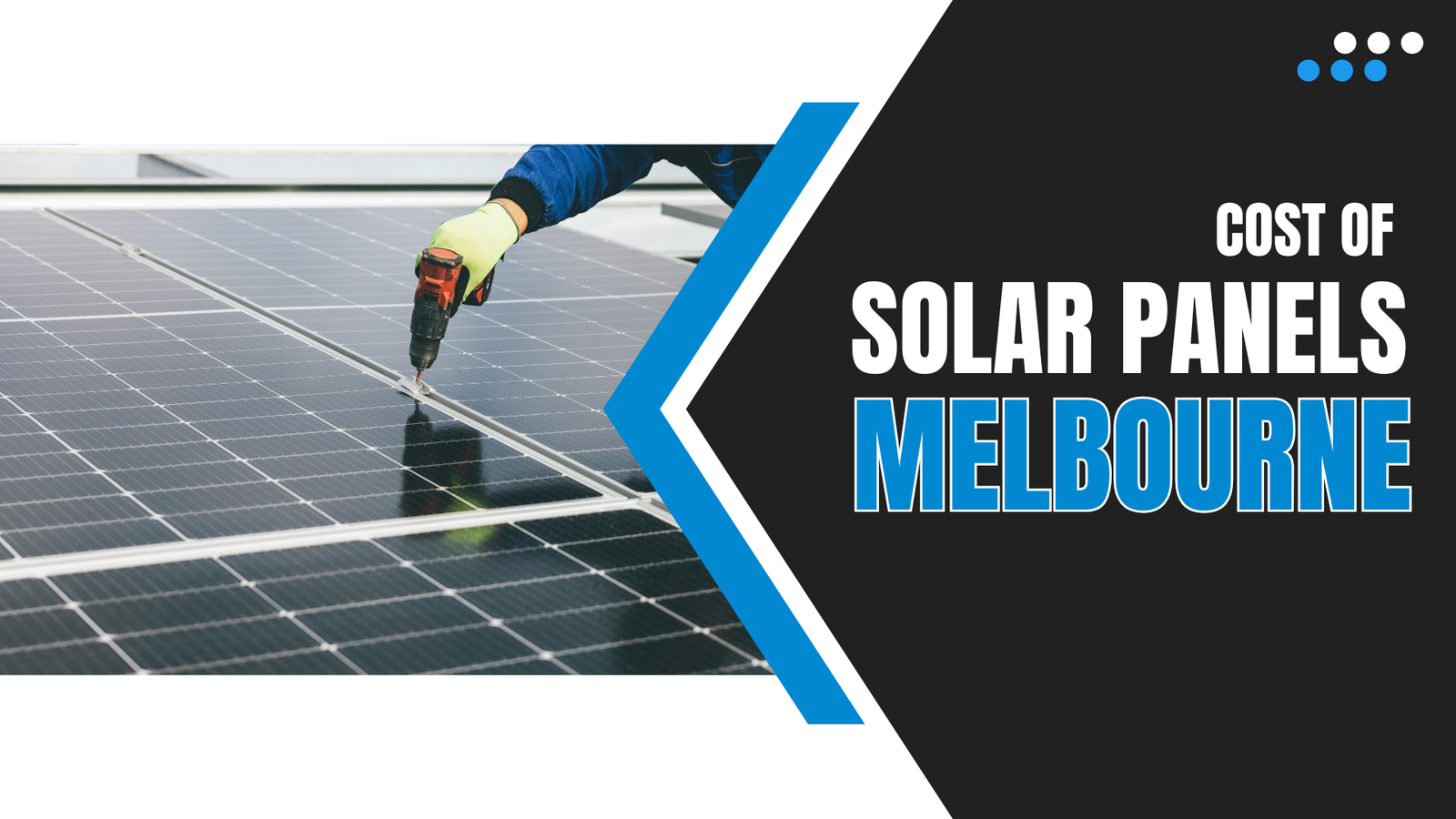
cost of solar panels melbourne
For the cost of solar panels Melbourne homeowners can expect, a common 6.6kW system typically ranges from $5,000 to $9,000 after rebates. Larger 10kW systems often fall between $8,500 and $13,000. This price is determined by system size, component quality, and the installer you choose. This guide will break down these costs step-by-step.
Get a Free Solar Quotes
Step-by-Step Breakdown: What Are You Paying For?
Understanding a solar quote is the first step to identifying true value. A professional quote is not just one item; it’s a package of essential products and services. Here is a clear breakdown of what’s included in the price.
Step 1: The Solar Panels (Modules)
These are the most recognisable part of your system, sitting on your roof and capturing sunlight. The panels themselves are a significant cost factor, influenced by:
- Technology: Most modern installations use monocrystalline panels. They are highly efficient and have a sleek, uniform black appearance that many homeowners prefer.
- Brand and Tier: Panels are often ranked into “tiers,” with Tier 1 representing manufacturers with a strong reputation for quality, automation, and financial stability. Premium Tier 1 brands like LG, SunPower, or REC command higher prices due to superior performance and longer warranties. Mid-range and budget-friendly Tier 1 brands like Jinko Solar, Trina, and Longi offer a fantastic balance of performance and cost.
Step 2: The Inverter (The Brain of the System)
The inverter is a crucial component that converts the Direct Current (DC) electricity from your panels into Alternating Current (AC) that your home appliances use. The type and brand of inverter heavily influence the final cost.
- String Inverters: This is the standard and most cost-effective option. Panels are arranged in groups (“strings”) connected to a single, central inverter, usually located in your garage or on an exterior wall.
- Microinverters: A more advanced option where a small inverter is attached to each individual panel. They are more expensive but optimize the performance of every panel. This is ideal for roofs with complex layouts or intermittent shading, as one underperforming panel won’t affect the others.
- Hybrid Inverters: If you plan to add a battery now or in the future, you’ll need a hybrid inverter. It’s designed to intelligently manage energy flow between your panels, your battery, your home, and the grid.
Step 3: Racking and Mounting Equipment
This is the unseen hero of your solar system. The racking is the durable framework that securely fastens your panels to the roof. The cost includes all the aluminium rails, clamps, and weather-proofing components. The price can vary slightly depending on your roof type—tin, tile, and concrete roofs all require different mounting hardware to ensure a secure, leak-proof fit for decades.
Step 4: Professional Design and Installation Labour
Never underestimate the value of expert installation. This portion of the cost covers the skilled labour of Clean Energy Council (CEC) accredited designers and electricians. It includes the initial site assessment, creating a custom system design for optimal sun exposure, all the complex electrical wiring, and the final commissioning of the system. Paying for a quality installation is paying for safety, compliance, and performance.
Key Factors That Influence Your Final Cost
Beyond the core components, several variables can adjust your final quote. Being aware of these will help you understand why one quote might differ from another.
System Size (kW)
This is the single biggest driver of the final price. The larger the system (measured in kilowatts, or kW), the more panels you need, and the higher the upfront cost. However, a larger system also generates significantly more electricity, leading to greater long-term savings. An experienced installer will analyse your electricity bills to recommend a size that perfectly balances cost and benefit for your household.
Quality and Brand of Components
As with any major home improvement, you get what you pay for. Investing in premium panels and inverters from globally recognised brands like Fronius, SMA, or Enphase (for inverters) means you’re buying higher efficiency, greater reliability, and more comprehensive warranties (often 25-30 years on panels). While cheaper options are tempting, quality components lower the lifetime cost of solar panels Melbourne homeowners face by minimising maintenance and ensuring longevity.
The Installer’s Reputation and Expertise
The company you choose to install your system is just as important as the hardware. Highly experienced, reputable installers may have slightly higher prices than new, smaller outfits. This premium accounts for their proven track record, superior workmanship, comprehensive insurance, and reliable after-sales support. Always choose a CEC Accredited Installer with strong local reviews.
Adding a Solar Battery for Energy Storage
If you want to become truly energy independent, you can add a solar battery. A battery stores your excess solar energy for use at night or during a blackout. This is a significant additional investment, typically adding $8,000 to $15,000+ to your initial system cost. While it increases the upfront price, it maximises your self-consumption and provides invaluable energy security.
Don't Forget the Rebates! Slashing the Cost of Solar Panels Melbourne
Here’s where the deal gets sweet. Generous government incentives are in place to make solar incredibly affordable for Victorians.
- The Federal STC Rebate: This is the largest discount, often called the ‘solar rebate.’ It works as an upfront discount applied directly to your quote by the solar retailer. In exchange for this discount, you assign the Small-scale Technology Certificates (STCs) generated by your system to the retailer, who then manages the complex process. This means the price you see on your quote has already had thousands of dollars removed.
- Solar Victoria Rebates: The Victorian Government’s Solar Homes Program provides another layer of incentives. Your installer will help guide you through the application process, where eligible homeowners can receive a further rebate and may also access an interest-free loan to cover the remaining balance. You must use an approved Solar Victoria retailer to qualify for these state-level benefits.
Your Step-by-Step Guide to Going Solar in Melbourne
Ready to take control of your electricity bills? Follow this simple process.
Step 1: Analyse Your Energy Consumption
Before you call anyone, grab your recent electricity bills. Find your “average daily usage” in kWh. This single number is the most important piece of information for determining the right system size for your home.
Step 2: Get at Least Three Detailed Quotes
This is the most critical step. Contact a minimum of three different CEC Accredited Installers in the Melbourne area. This allows you to compare not just the final price, but also the proposed equipment, system design, and the professionalism of the company. Be cautious of any quote that is dramatically cheaper than the others.
Step 3: Compare Your Quotes Like a Pro
Lay the quotes side-by-side and compare the fine details:
- Panel and Inverter Brands: Are they reputable? What are their warranty periods?
- System Size & Estimated Output: Has the installer clearly explained their recommendation?
- Installer Reviews: Check Google, Trustpilot, and other independent review sites.
- All-Inclusive Cost: Does the quote include everything, or are there potential extra charges for things like a switchboard upgrade or a difficult access fee?
Step 4: Installation and Grid Connection
Once you’ve chosen your preferred installer and signed the contract, they will handle the complex paperwork, including applications with your electricity distributor (like Citipower or Powercor). The physical installation is efficient, usually taking just one to two days to complete. After this, a final inspection is required before the system is officially commissioned and turned on.
Is Solar Worth the Cost in Melbourne?
Without a doubt, yes. With Melbourne’s retail electricity prices continuing to rise, a solar system is one of the most secure financial investments you can make for your home. The typical payback period for a quality solar installation in Melbourne is now between 3 and 6 years. After that payback period, the energy your system produces is effectively free. It increases your property value, lowers your carbon footprint, and gives you protection against future energy price hikes.
Conclusion: Making a Smart and Valuable Investment
Successfully navigating the cost of solar panels Melbourne market is about focusing on long-term value, not just the short-term price. By prioritizing high-quality components, choosing a reputable and accredited installer, and ensuring the system is sized correctly for your needs, you are making a powerful investment in your home’s financial health. With significant government rebates still available, there has never been a more opportune moment to make the switch and secure your energy future.