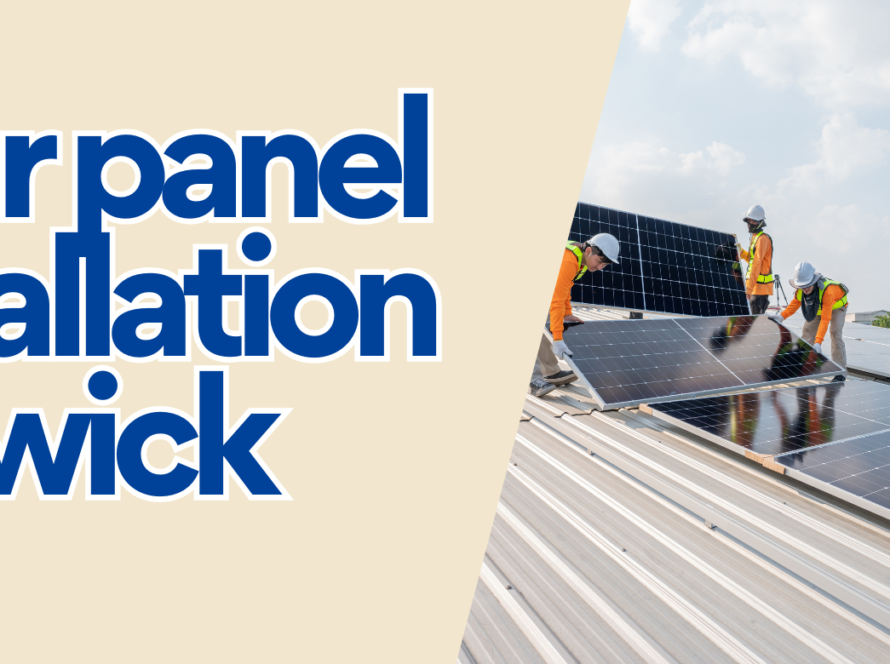

A solar power hot water system heat your home’s water using roof-mounted thermal collectors or a highly efficient heat pump, using renewable energy from the sun. Australian homes switch to these systems to achieve energy independence, reduce greenhouse gas emissions, and greatly lower water heating expenditures. A fully installed solar powered hot water system involves an initial investment, but federal rebates and state-specific rebates can substantially reduce this cost, making it a very cost-effective home update for any property owner looking to save in the long run.
Why Australian Homeowners Are Making the Switch to Solar
Australians are used to lots of sunlight, but heating water remains one of the most significant sources of residential energy usage, making up a significant amount of the typical power bill. If you’re still using an old gas storage tank or a basic electric resistance heater, you’re likely spending considerably more than required every year.
With the growing cost of grid energy and state-level governmental pushes towards total home electric systems, such as the elimination of domestic gas connections, investing in a modern solar power hot water system is no longer just an environmentally beneficial choice. It is a key, forward-looking step towards total energy independence. By using clean, renewable energy, you can lock in very low long-term operating expenses, lower your carbon footprint, and safeguard your family budget from uncertain retail energy markets. Choosing a dependable solar powered hot water system guarantees long-term stability.
How Do Solar Powered Hot Water Systems Work?
When considering upgrading alternatives, it is essential to understand how various technologies work. Finding the correct solar power hot water system will depend on the size of your home’s roof, the temperature, and whether or not you already have solar panels.
Traditional Solar Thermal Systems
These are the traditional, recognised systems that have been used throughout the nation for decades. They use dark, glass-covered flat plates or evacuated glass tubes put directly on your roof, preferably facing north. These thermal collectors use radiant energy from the sun to heat water, which is then stored in an insulated tank for your family’s usage. Many families choose conventional, solar power hot water systems because of their durability.
There are two main layouts for solar thermal:
- Thermosiphon (Roof-Mounted): This all-in-one solution places the thermal collectors and large storage tank on your roof. Hot water rises naturally from the panels into the tank due to basic thermodynamics. These systems are heavy and need a structurally secured roof, but they are very dependable due to the lack of moving parts.
- Split Systems (Pumped): The elegant, thin panels sit on the roof, while the large storage tank is securely hidden away at ground level. A quiet pump distributes water between them. This maintains your roofline appearing tidy while significantly decreasing structural load on your property.
Heat Pump Hot Water Systems (The Modern Standard)
Heat pumps, which do not need glass panels on the roof, are classified as a solar power hot water system since they collect renewable solar heat from the surrounding air. A heat pump works similarly to a refrigerator in reverse, collecting warmth from the outside air, using a compressor to rapidly raise the temperature, and transferring that intense heat into your water tank.
Heat pumps have been the chosen option for the vast majority of home improvements. They use just a portion of the power needed by regular electric resistance heaters. Better still, if you already have a rooftop solar PV panel that generates power, you can arrange your heat pump’s built-in timer to operate during the middle of the day, allowing it to run totally on free, self-generated electricity. Many people see this as the ideal solar powered hot water system layout.
System Types and Initial Budget Comparison
When budgeting for solar powered hot water systems, you must consider the initial installation cost, long-term operational expenses, and your home’s structure limits. Below is an overview of how the various alternatives compare.
System Type | How It Works | Relative Initial Cost | Best Suited For |
Heat Pump | Extracts ambient heat from the air to warm water efficiently. | Moderate | Homes with existing solar panels looking to maximize self-consumption. |
Split Solar Thermal | Roof panels collect heat; tank sits securely on the ground. | Premium | Aesthetic-conscious homeowners with good, unshaded north-facing roof space. |
Thermosiphon | Both the heavy tank and the solar panels are mounted on the roof. | High | Homes with exceptionally strong roof structures in sunny climates. |
Evaluating several solar power hot water system allows you to figure out the best financial solution for your family.
Government Rebates: Minimising Your Prices
The Australian government actively encourages homes to update to high-efficiency appliances in order to minimise the pressure on the national grid. Understanding the current rebate context is critical for receiving the maximum return on your investment when installing a solar power hot water system.
Federal Rebates
This is the primary national rebate offered to all Australians, supported by small-scale technology certificates. When you install an eligible system, certifications are generated depending on its energy efficiency, size, and geographic location. This amounts to a major point-of-sales savings given immediately to your final payment by your installation for your preferred solar power hot water system.
State-Specific Energy Rebates
Many states provide extra financial assistance on top of the federal rebate. Certain localities provide specialised hot water rebates, or targeted energy efficiency projects that strongly support the switch away from gas for high-performance solar power hot water systems. Always seek an accurate, locally authorised installer or official government energy sources to confirm your specific eligibility.
Choosing the Best Setup for Your Home
Investing in a solar power hot water system is a long-term commitment. To choose the most cost-effective and practical decision for your family, follow this expert advice:
- Accurately Assess Your Usage: A normal household wants a storage tank that is appropriately sized to handle peak demand times. Do not undersize your system only to save money on the purchasing price. When the system runs out of hot water, it will have to depend greatly on its backup booster, which eliminates the objective of an energy-efficient update.
- Evaluate Your Roof Space and Shading: Traditional thermal collectors need a strong, unshaded, north-facing roof to function well. If your roof is significantly shadowed by huge trees or neighbouring buildings, an air-source heat pump placed on the ground is a much better and more dependable option.
- Leverage your existing solar PV: If you already have solar panels on your roof that produce energy, adding a smart heat pump is a wise financial option. By installing it to heat water during peak sunshine hours, it functions as a thermal battery, absorbing extra solar electricity that would otherwise be sent back to the grid.
- Demand Quality Materials for Hard Water: Water quality varies greatly across places. If you are situated in a region recognised for hard water with high mineral content, choose a system with a vitreous enamel-lined tank to avoid internal damage and extend system life.
- Always use accredited professionals: To legally claim government rebates, your new system must be installed by a certified electrician who adhere to strict national industry certification criteria. Before purchasing, review verified solar powered hot water systems to ensure compliance.
Frequently Asked Questions
Are solar power hot water systems worth the upfront cost?
Absolutely. While the initial cost of purchasing and installing a solar power hot water system is more than that of a normal, inefficient electric unit, the continuing cost of water heating is much less. For the ordinary family, overall monthly energy savings result in a quick financial return.
Do solar powered hot water systems work in winter or on cloudy days?
Yes, you will not be left with cold water. Traditional solar thermal systems include a built-in gas or electric booster element that operates when there is insufficient sunshine. Modern heat pumps are designed with modern technology to absorb heat from the air even on cold winter mornings.
What is the expected lifespan of a solar hot water system?
When properly installed and maintained correctly, a high-quality solar power hot water system can be used for more than a decade. Homeowners should schedule a basic service every few years to replace the tank’s sacrificial anode and check all pumps and valves are in good operating order.