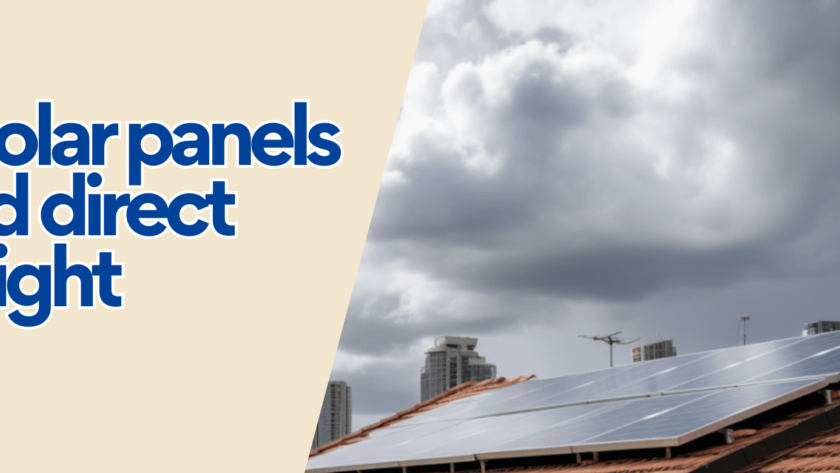
No, direct sunshine is not necessary for solar panels to produce power. Modern photovoltaic panels use the photons found in natural daylight, not the heat from the sun, to generate electricity, but they operate at their best under direct, bright sunlight. This means that on foggy, hazy, or gloomy days, your system will still produce…
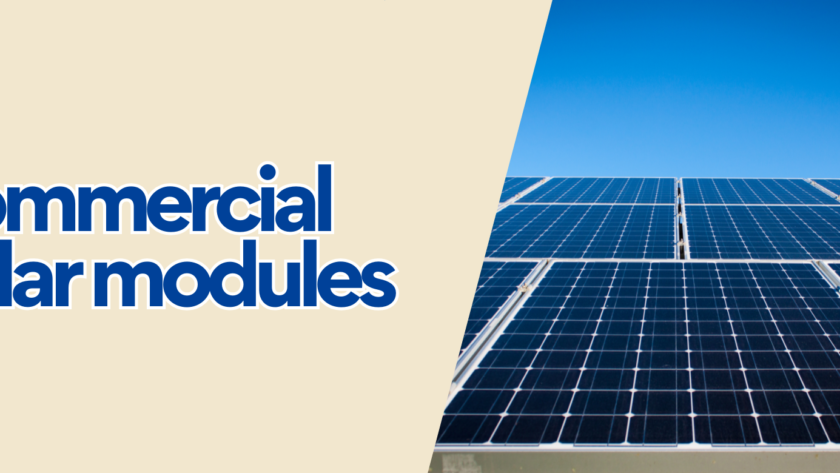
Investing in commercial solar modules is one of the most sound financial moves an Australian company can make. With rising energy rates placing pressure on overheads, producing your own clean power turns a one-time expense into an investment. Whether you own a warehouse in Victoria or a retail mall in Sydney, the appropriate solar technology reduces…
Making the move to commercial solar panels is one of the most effective methods for Australian companies to save operating expenses and achieve long-term energy independence. With daytime energy costs rising, using a custom-designed commercial solar power system enables businesses to reduce grid dependency by producing power when it is most required. From checking roof…
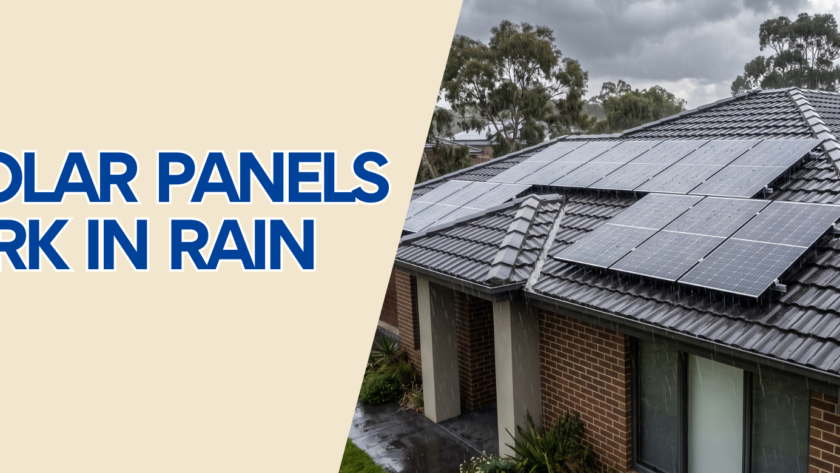
Many Australian homeowners ask: is solar panels work in rain. The basic answer is yes. Even in cloudy weather and heavy rainfall, your solar PV system continues to generate power. While direct sunlight is most efficient, newer panels may catch diffused and scattered sunlight that passes through rain clouds. Although output drops to around 10% to…
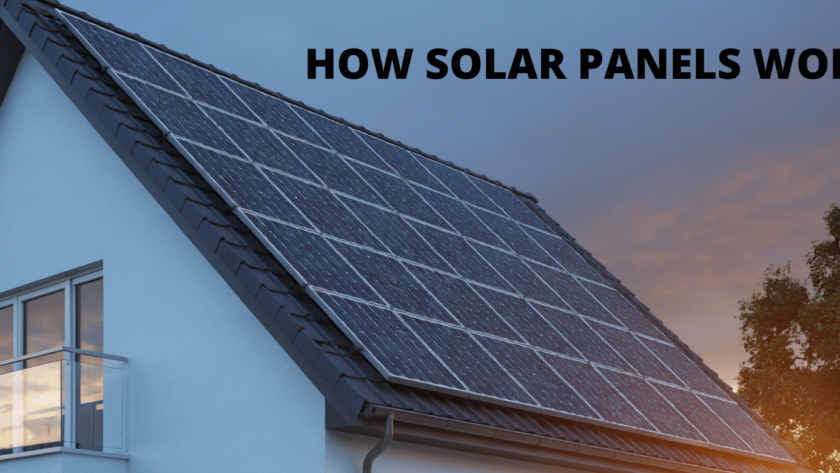
If you're wondering how solar panels work, the answer is in a fascinating way known as the photovoltaic effect. When sunlight hits the silicon cells of a solar panel, it knocks electrons free, resulting in a direct flow of energy. This renewable energy is then sent via an inverter, which converts it into the alternating…
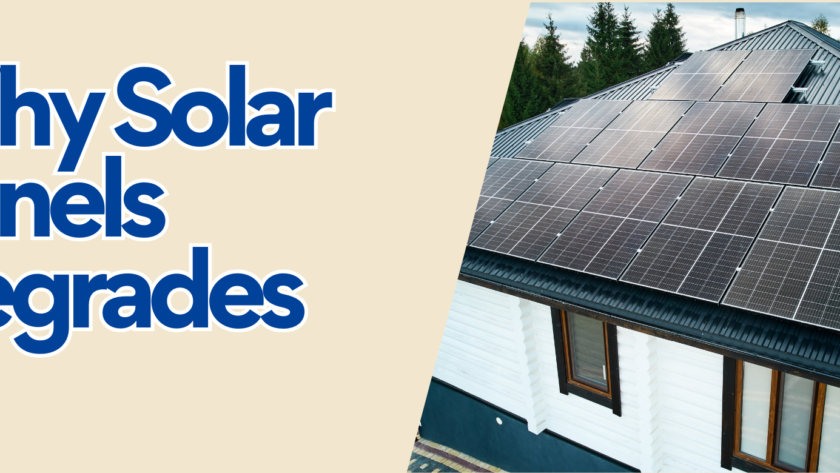
Investing in a rooftop solar system is one of the best financial decisions an Australian homeowner can make, but knowing why solar panels degrade is critical to ensuring your long-term return on investment. Every solar panel gradually loses efficiency over time due to unavoidable environmental conditions such as high UV radiation, excessive heat, and seasonal…
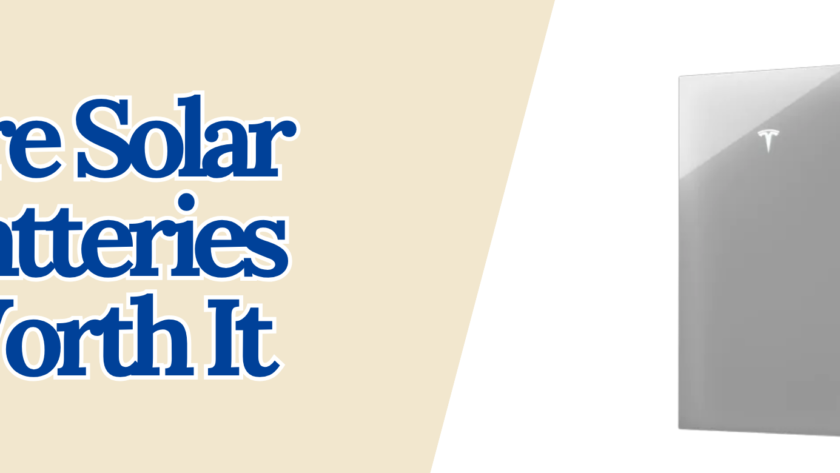
If you're looking at a growing power bill, you're probably asking "are solar batteries worth it" in Australia right now?. The quick answer is absolutely yes, however the financial return is greatly dependent on your home energy use and system size. A typical home battery arrangement costs between $8,000 and $17,000 to build for a…
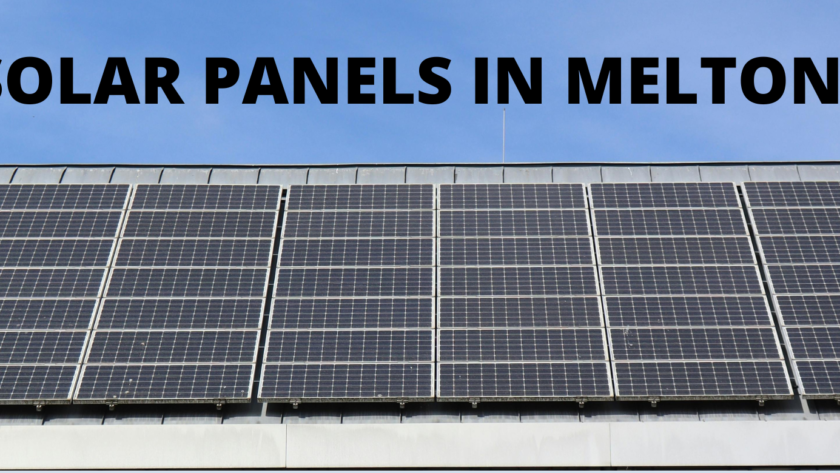
Solar panels in Melton are a very efficient solution to reduce your power costs and gain energy independence in Victoria's expanding western suburbs. A basic 6.6kW household solar system in Melton provides around 25 kWh of power per day, making it ideal for the local Powercor electrical network. Eligible homes who use a SAA certified…
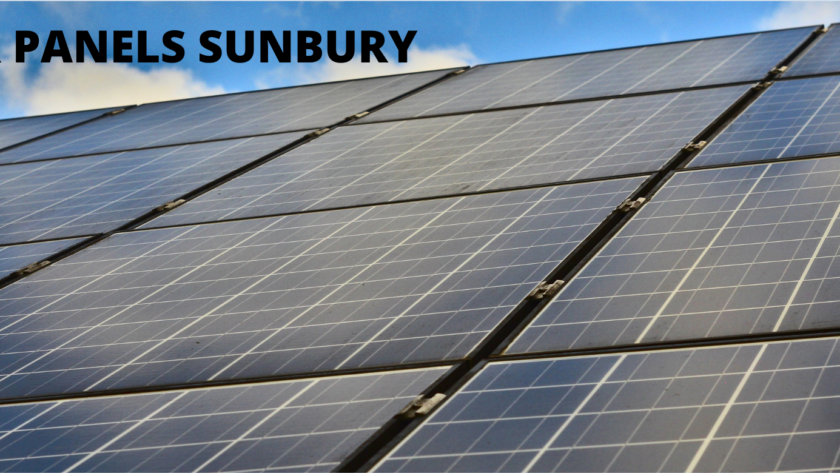
If you're looking for solar panels Sunbury, you need a dependable system that will withstand Victoria's fluctuating weather patterns while maximising your financial benefits. Sunbury rooftops get an average of 3.95 peak sunlight hours per day, making the location ideal for solar energy production. By investing in a high-quality system, you can lock in much…
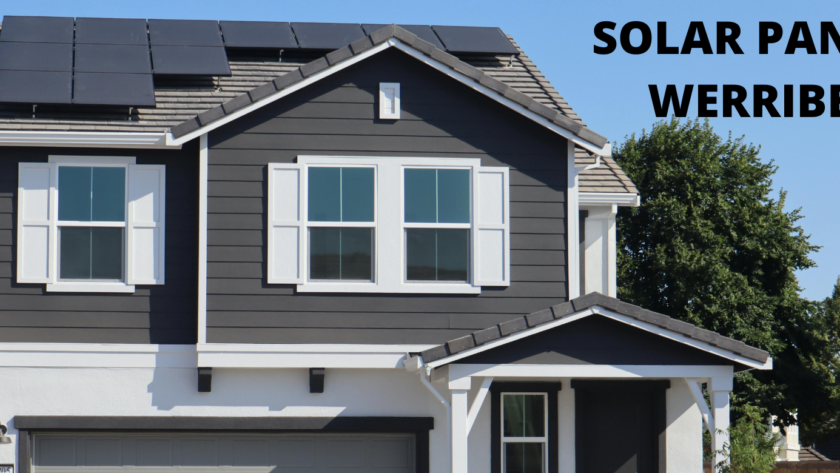
Installing Solar Panels Werribee provides Wyndham households with an instant answer to rising power bills by tapping into Victoria's significant 2026 rebates. Whether you're constructing a new house or renovation an existing one, right-sizing your system and integrating it with smart storage may help you reduce your dependency on the grid. Before you commit, you…
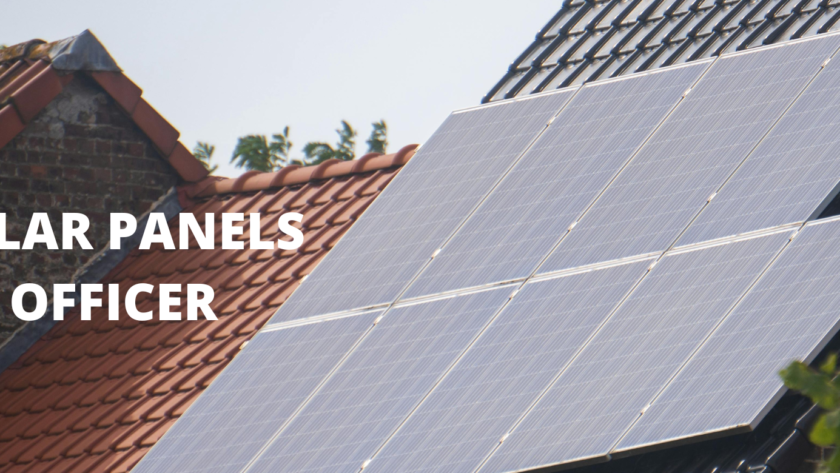
Installing Solar Panels officer provides immediate relief to Cardinia Shire homeowners from skyrocketing power costs, especially when taking advantage of Victoria's substantial rebates in 2026. Right now, qualified homes may get up to $1,400 from the state's Solar Homes Programme, plus a matching interest-free loan. Sizing your system correctly—typically 6.6kW to 10kW—and combining it with reliable…
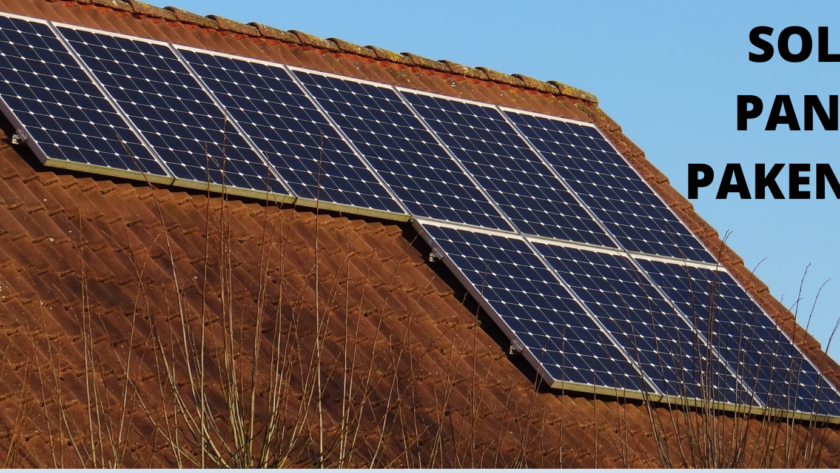
Installing solar panels Pakenham provides Cardinia Shire homeowners with instant relief from skyrocketing power costs, especially when combined with Victoria's substantial rebates. Currently, qualifying homeowners may get up to $1,400 via the Solar Homes Program, as well as matching interest-free loans and point-of-sale government STC rebates. Sizing your system correctly—typically 6.6kW to 10kW—and combining it…