
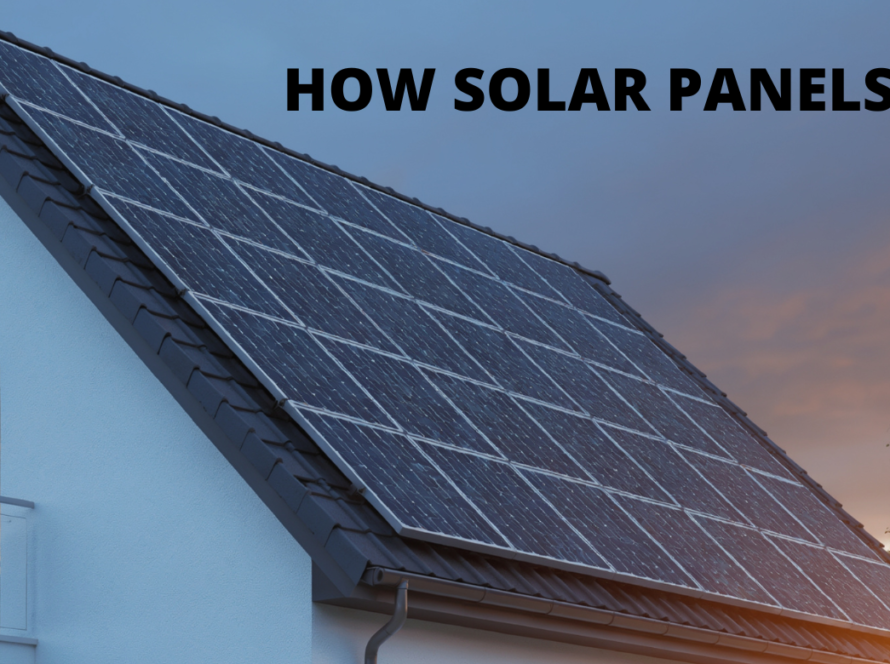
Photovoltaic panels, commonly known as solar panels, are sophisticated energy-harvesting modules that use the photovoltaic effect to convert sunlight directly into useable power. When photons from sunlight hit solar cells, they knock electrons loose, resulting in a direct current (DC) that an inverter converts to alternating current (AC) for residential or commercial usage. High-efficiency photovoltaic systems in 2026 will use N-type silicon technologies, such as TOPCon or Advanced Back Contact (ABC) cells, to increase module efficiency over 24%. Property owners may significantly decrease their dependency on the grid and save money on power by installing modern photovoltaic solar panels.
With increasing grid power rates and a renewed national focus on electrification, updating your house or company with a solar PV system has never been more financially viable. The landscape of renewable energy in Australia is quickly changing. Rooftop solar generating is now essentially required for contemporary Australian houses, with the National Construction Code (NCC) 2022 requiring a minimum thermal rating of 7 stars and tight Whole of Home energy budgets for new constructions.
In this detailed guide, we will explain how current solar technology works, examine the most efficient modules on the market, explain the most recent federal and state incentives for 2026, and show you how to maximise your return on investment.
How Does Solar Energy Make Electricity?
For many property owners switching to renewable energy, the equipment on the roof might seem magical. When people enquire, “How does solar energy generate electricity?” the answer is found in the physical features of the silicon cells in the modules.
- Light Absorption: Photovoltaic panels are made up of layers of semiconducting materials, the majority of which being crystalline silicon.
- The photovoltaic effect: When sunlight hits these silicon layers, and the energy from the photons stimulates the electrons inside the material. This excitation causes electrons to become loose from their atomic structures, allowing them to travel through the cell and generate direct current (DC).
- Inversion to AC: Because Australian residences, appliances, and the national grid utilise alternating current (AC), the DC power produced by the panels cannot be used right away. A high-quality solar inverter is put alongside your panels to effortlessly convert DC energy into useable AC power.
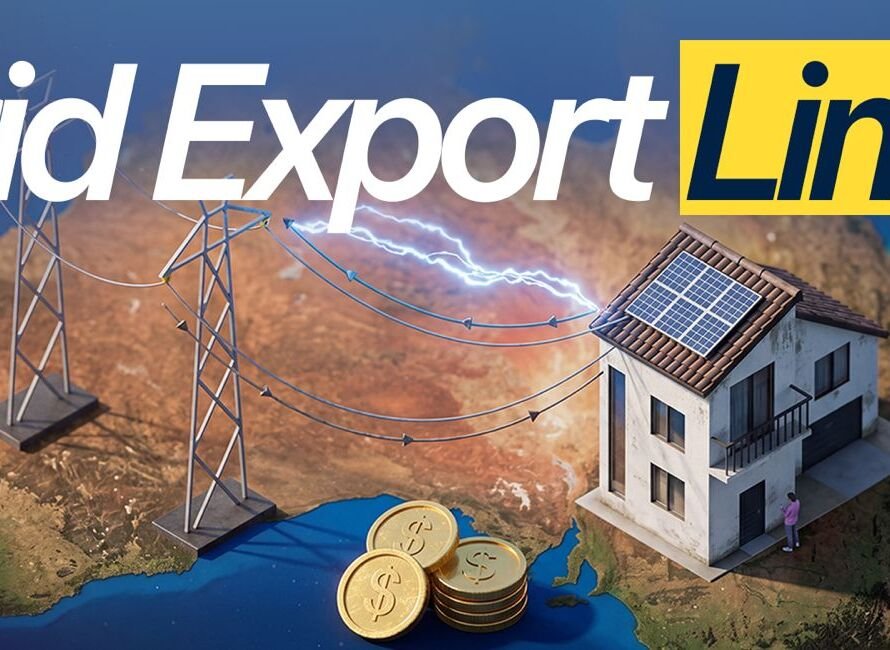
- Powering Your Property: The transformed energy is sent straight to your switchboard. Your house will intelligently use this free solar electricity first to power your lights, air conditioning, pool pumps, and appliances. Any extra energy that your house does not need is either stored in a solar battery or exported to the grid for a feed-in tariff.
Advancements in High-Efficiency Photovoltaic Systems
Not all solar photovoltaic panels are made equally.
In past decades, ordinary P-type panels dominated the market, with efficiencies ranging from 17% to 19%. However, by 2026, the market has nearly fully transitioned to better N-type cell design. These improved cells degrade less over time and work particularly well in intense Australian heat.
TOPCon, HJT, and ABC cells are the three main technologies for high-efficiency photovoltaic systems right now.
| Panel Technology | Typical Efficiency | Characteristics & Best Use Case | |
|---|---|---|---|
|
TOPCon |
22% – 24% |
The mainstream standard in 2026. Offers a fantastic balance between high performance and cost-effectiveness for standard residential roofs. |
|
|
HJT (Heterojunction) |
22% – 24.5% |
combines crystalline and thin-film silicon. Its exceptional temperature coefficient makes it very durable during hot Australian summers. |
|
|
ABC (Advanced Back Contact) |
24% – 25%+ |
|
Choosing the correct photovoltaic solar panels ensures the most energy production. Premium panels cost a bit more upfront, but they produce much more power throughout their 25-year lifetime, increasing your total financial return.
Understanding Australian Rebates for Photovoltaic PV Panels
To accurately calculate your return on investment, you must include the most recent government incentives. The regulatory and rebate environment is always changing, making it critical to depend on real-time, 2026 data.
Federal Small-Scale Technology Certificates (STC)
Until 2030, the Federal Government’s STC programme offers a point-of-sale discount for qualifying solar systems depending on the amount of clean energy produced by the system.
- Major Commercial Expansion: In a major boost for enterprises, the Australian Government stated on August 5, 2026, that it would increase eligibility for solar PV installations under this plan from 100kW to 1MW, subject to finalised legislation.
- Strict Accreditation Rules: To be eligible for STCs, your newly installed system must fulfil strict standards. Solar panels and inverters must be on the Clean Energy Council’s (CEC) list of authorised components. Furthermore, the system must be developed and installed by a Solar Accreditation Australia (SAA)-certified specialist.
- System Upgrades: If you decide to update an existing system by adding additional panels, the new hardware may still be eligible for STCs as long as the total capacity stays below the scheme maximum and both the new panels and the existing inverter fulfil current applicable standards and CEC certifications.
For detailed, official information on federal deeming rates and STC eligibility, we strongly advise you to follow the Clean Energy Regulator’s official guidelines.
Solar Victoria Rebate Updates
The Victorian government provides further upfront incentives to property owners via the Solar Homes Programme. However, eligibility requirements have lately increased, making timing your installation essential.
- Income Threshold Reduction: Effective July 1, 2026, the household income qualifying ceiling for the Solar Panel (PV) rebate was drastically cut from $210,000 to $150,000 per year.
- Application Dates: Any applications submitted after 30 June 2026 are now strictly assessed under this new $150,000 income limit.
Real-World Performance: Getting the Most Out of Your Solar PV Panels
While a panel’s data sheet may promise 24% efficiency, that value is determined from Standard Test Conditions in a laboratory (usually 25°C, no wind, and ideal 1,000 W/m² irradiance). Your real rooftop is exposed to harsh weather, dust, and changing light angles. The difference between a panel’s nameplate efficiency and what it really provides in real life is totally dependent on how the system is designed and placed.
To maximise your production, many key components must be managed:
- Orientation and Pitch: In Australia, north-facing roofs pitched between 20 and 30 degrees capture the most solar energy throughout the year. In contrast, east or west-facing panels produce 15% to 20% less yearly production.
- Shade Mitigation: Shading is an enemy of solar production. Even partial shadowing from a neighbouring roofline, a chimney, or a single tree limb may significantly reduce the output across a whole string of panels.
- Maintenance and Soiling: Dust and soiling limit panel output over time, especially in drier suburbs and coastal areas. Regular cleaning, particularly after summer dust storms, is essential to maintain your panels working close to their rated levels.
Why Choose The Solar King for Your Installation?
We at The Solar King don’t believe in one-size-fits-all, “cookie-cutter” solar solutions. When you work with us to install solar photovoltaic pv panels, you get an energy solution that is specifically designed for your property’s microclimate and your family’s energy consumption patterns.
- Precision 3D Engineering: We use sophisticated satellite 3D modelling to map your roof’s precise solar irradiance and estimate shadowing across all four seasons. We make sure that panels are only installed where they will really function.
- SAA Accredited Installers: We never outsource your home’s protection to unvetted third parties. Our in-house designers and installers possess full Solar Accreditation Australia (SAA) certificates, ensuring that your system meets stringent electrical safety requirements and is qualified for all federal and state rebates.
- Premium Technology Partnerships: We exclusively provide tier-1, N-type photovoltaic modules and couple them with industry-leading string inverters or microinverters (such as Enphase) to address difficult shading challenges.
Frequently Asked Questions (FAQ)
Solar pv panels (photovoltaic) create energy straight from sunshine, which powers your home appliances. Solar thermal systems, on the other hand, depend only on the sun’s ambient heat to warm water.
Yes. The National Construction Code (NCC) 2022, which most adopting jurisdictions will fully implement by 2026, requires new houses and townhomes to have a minimum 7-star NatHERS-equivalent thermal rating. In addition, a new “Whole of Home” energy budget applies. This requires that homes have a minimum energy score of 60 out of 100 (with NCC default settings). Installing a rooftop solar array is one of the key strategies builders utilise to meet these strict new energy requirements.
Yes. The federal STC plan allows you to update a system by adding extra panels. Your update is still eligible for financial incentives if the new combined capacity does not exceed the scheme restrictions, the inverter has enough capacity, and all new panels (and the current inverter) are on the active CEC approved products list.
Solar Accreditation Australia (SAA) is the official authority that regulates solar tradespeople. The use of a SAA-accredited designer and installation is a required regulatory necessity. It not only ensures your system’s safety and compliance with Australian standards, but it is also required in order to generate STCs and claim your federal upfront point-of-sale discount.

1 Comment
Sarah Miller
Brilliant summary!