
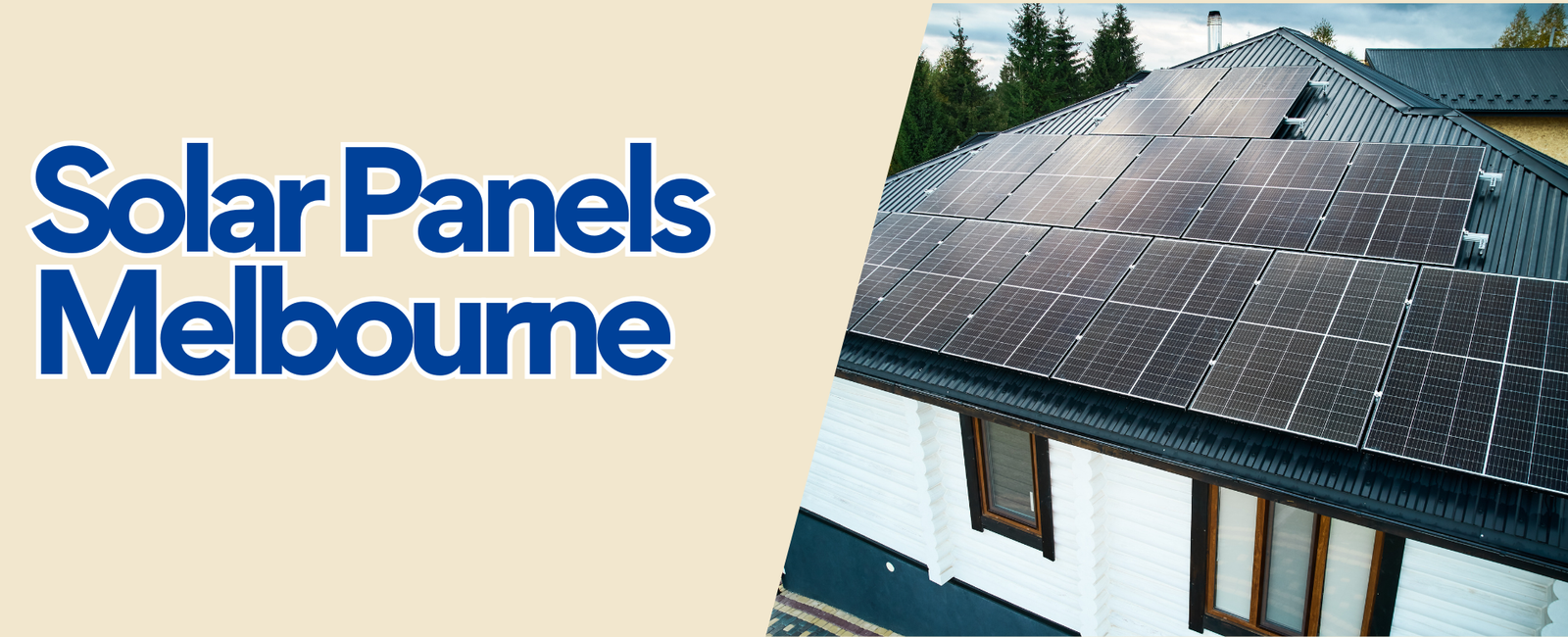
The Complete Guide for Solar Panels Melbourne
Solar panels Melbourne are high-efficiency photovoltaic systems invented to combat increasing power bills in Victoria’s capital. In 2026, a basic 6.6kW system will cost between $4,500 and $7,000 after collecting the maximum $1,400 Solar Victoria rebate and Federal STC reductions. Because the Essential Services Commission reduced daytime feed-in rates, the highest financial return is now achieved via daytime self-consumption rather than grid exports. Engaging a SAA accredited installation ensures that your system complies with stringent local safety laws while also assuring complete eligibility for state and federal government financial incentives.
Get Quote










Why Melbourne is the Perfect City for Renewable Energy
Considering the popular myth that the city has “four seasons in one day,” Melbourne is an excellent location for renewable energy production. The city gets an average of 3.6 peak sunlight hours each day. While this is somewhat lower than in northern states, the colder Victorian environment keeps the panels from overheating, a major problem that reduces solar performance in tropical locations.
With grid energy rates continually rising, producing your own solar power Melbourne is one of the most efficient strategies to protect against inflation and ensure long-term utility savings. By installing a high-quality array on your roof, you are converting an unused asset into a tiny power plant that will pay for itself in a few short years.
The 2026 Energy Economics: Self-Consumption Is Key
Recent regulatory changes have fundamentally altered the financial strategy of solar owners. The Essential Services Commission (ESC) has finalised its decision to reduce the minimum flat feed-in tariff (FiT) to 0.04 cents per kWh during daylight hours from 2025 to 2026, reflecting the large oversupply of daytime solar energy flooding the Victorian grid.
This means that exporting extra energy to the grid is no longer very profitable. Instead, self-consumption provides the highest return on investment. Timing high energy loads, such as dishwashers, pool pumps, and split-system air conditioners, during peak daylight hours may save you up to ~30c/kWh on your energy bill.
Solar Victoria Rebate and Federal Incentives
To accurately predict your system’s payback time, you must first understand the available financial incentives. In 2026, state eligibility criteria were significantly updated, making real-time information critical for potential buyers.
The Solar Victoria Rebate (Updated July 2026)
Solar Homes Programme continues to provide significant upfront reductions. However, on July 1, 2026, the family income qualifying requirement was significantly decreased.
- Upfront Rebate: Save up to $1,400 on the upfront cost of your solar Melbourne installation.
- Interest-Free Loan: An optional matching loan of up to $1,400 repayable over four years (about $29.17 monthly).
- Income households: The combined household taxable income limit was decreased from $210,000 to $150,000.
- Property Value Limit: The property must be valued at less than $3 million and cannot have earned a Solar Homes rebate within the last ten years.
Before any installation work can begin, you must first get your unique eligibility QR code from the Solar Victoria Portal.
Federal Small-Scale Technology Certificates (STCs)
Melbourne is officially classified as STC Zone 4 under the Federal Government’s Small-scale Renewable Energy Scheme. This project offers a point-of-sale discount depending on the amount of renewable energy your system will produce up to 2030. For a conventional residential array, this government incentive decreases the upfront purchase price by around $1,200 to $1,800, which your retailer will smoothly apply to your final payment.
Choosing the Right Solar Power System Melbourne
When investing in rooftop solar, it is critical to consider it as a long-term asset rather than a quick, low-cost purchase. The variable weather patterns that wash over Port Phillip Bay—from summer heatwaves to sudden hail—require highly durable components.
1. Tier-1 panels for durability.
Make sure your solar panel melbourne modules are Tier-1. These panels include strong polished aluminium frames, tempered glass, and long warranties (usually 25 years). To effectively withstand January heatwaves, look for panels with strong hail-impact resistance and good temperature coefficients.
2. String inverters vs microinverters
- String inverters: ideal for unshaded, conventional rooflines. They connect the panels in a single series.
- Microinverters / DC Optimizers: If your roof is complicated or shadowed by large oak trees or neighbouring buildings, microinverters (such as Enphase) are installed behind each individual panel. This enables each module to function separately, avoiding a single darkened panel from pulling down the whole system output.
When making your selection, we highly recommend that you prioritise solutions that are supported by proven case studies, local track records, authentic images, and finished real-world projects in the target location. An installer who can physically explain how a particular solar power system melbourne functions in local circumstances is significantly more dependable than an overseas contact centre that provides generic estimates.
Commercial Solar Melbourne: Powering Local Businesses
With company power pricing placing immense pressure on operating margins, the transition to commercial solar melbourne is accelerating.
Why work with specialised commercial solar installers?
Commercial properties, unlike typical residential settings, often have flat concrete roofs, sophisticated three-phase electricity switchboards, and precise structural load restrictions. Dedicated commercial solar installers manage the complicated grid protection engineering and council compliance necessary for large-scale arrays (often ranging from 30kW to 100kW+).
Professional commercial solar installation melbourne allows companies to significantly reduce daytime operations expenses. Because factories, offices, and retail areas use the bulk of their electricity between 9:00 a.m. and 5:00 p.m., they precisely match a solar array’s peak output hours, resulting in an extraordinarily rapid ROI—often less than 3.5 years.
Cost and Payback Periods for Solar Panels in Melbourne
Prices vary according on roof difficulties, panel quality, and inverter technology. However, transparency is a unique characteristic of the best solar panel installers Melbourne. The price estimate for 2026 reflects expensive, dependable hardware.
| System Capacity | Ideal For | Average Daily Output | 2026 Cost Range (After All Rebates) | Estimated Payback Period |
|---|---|---|---|---|
|
6.6kW |
Standard family homes (3-4 people) |
24 kWh |
$4,500 – $7,000 |
3.0 – 4.5 Years |
|
10.0kW |
Large homes, pools, EVs |
36 kWh |
$5,500 – $9,200 |
3.5 – 5 Years |
|
30.0kW+ |
Small to Medium Commercial Sites |
108+ kWh |
Custom Quoted |
2.5 – 4 Years |
Note: The prices shown above are predicated on being eligible for both the maximum $1,400 Solar Victoria rebate and the Federal STC discount. does not include battery storage.
Incorporating a house battery (like the Tesla Powerwall) into a full solar panel installation Melbourne is becoming more and more common as a way to store extra energy during the day for usage at night.
The Critical Importance of an SAA Accredited Installer
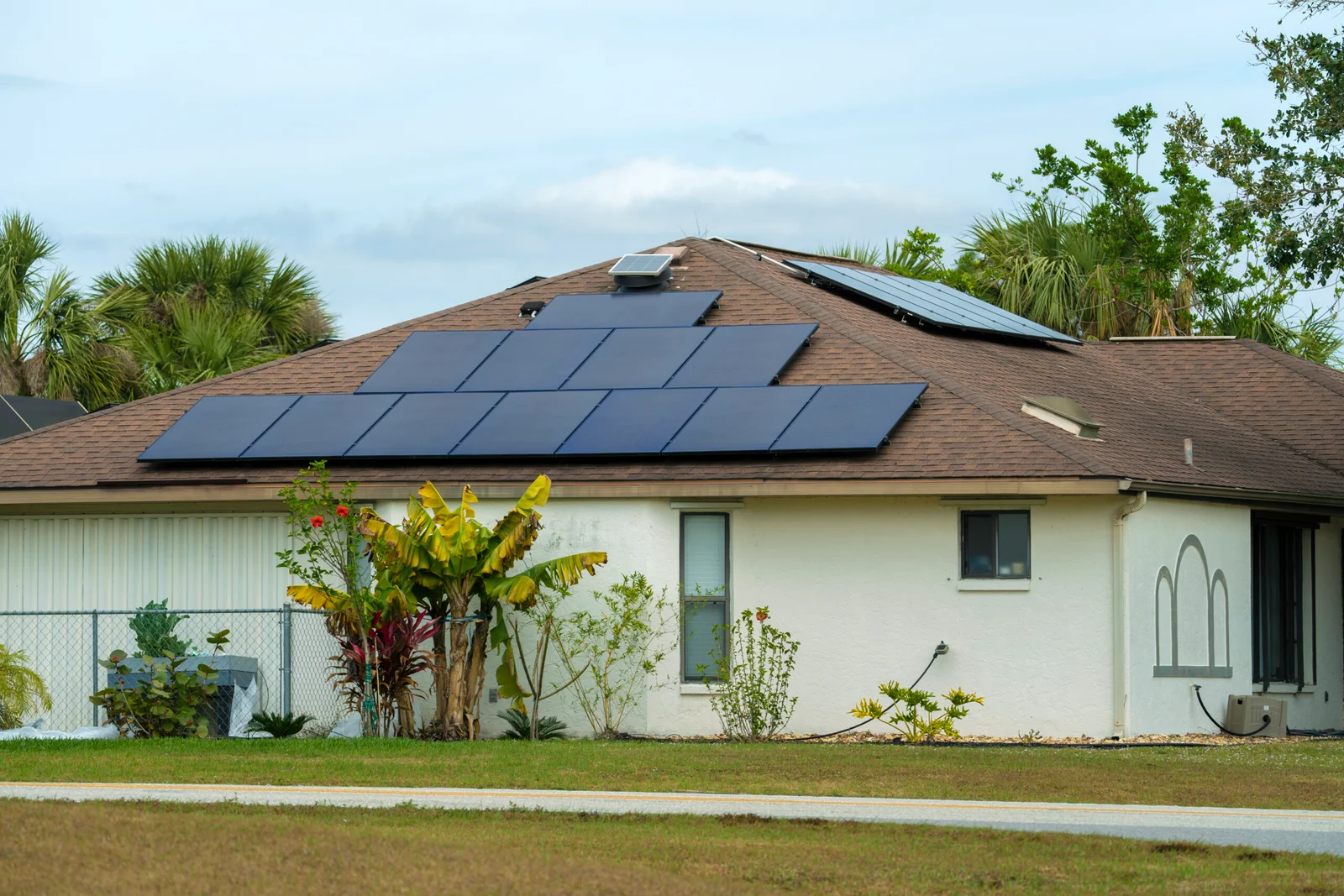
The Australian renewable energy sector has experienced a significant regulatory change. Licensing and compliance oversight for tradesmen were completely replaced. Today, selecting a reliable contractor entails confirming that they have valid credentials with Solar Accreditation Australia (SAA).
Using a SAA accredited installer is the only legal method to
- Claiming Federal Rebates: Unlicensed installers cannot produce STCs.
- Claim State Rebates: Solar Victoria requires that all work be performed by a SAA-accredited installation.
- Ensure Safety: SAA-accredited specialists adhere to strict, up-to-date Australian Electrical Safety Standards (AS/NZS 5033 and AS/NZS 4777), which safeguard your property from significant electrical and fire threats.
Never let contractors work on your roof without first validating their unique SAA ID number on the official national registration.
Why The Solar King is Your Trusted Local Partner
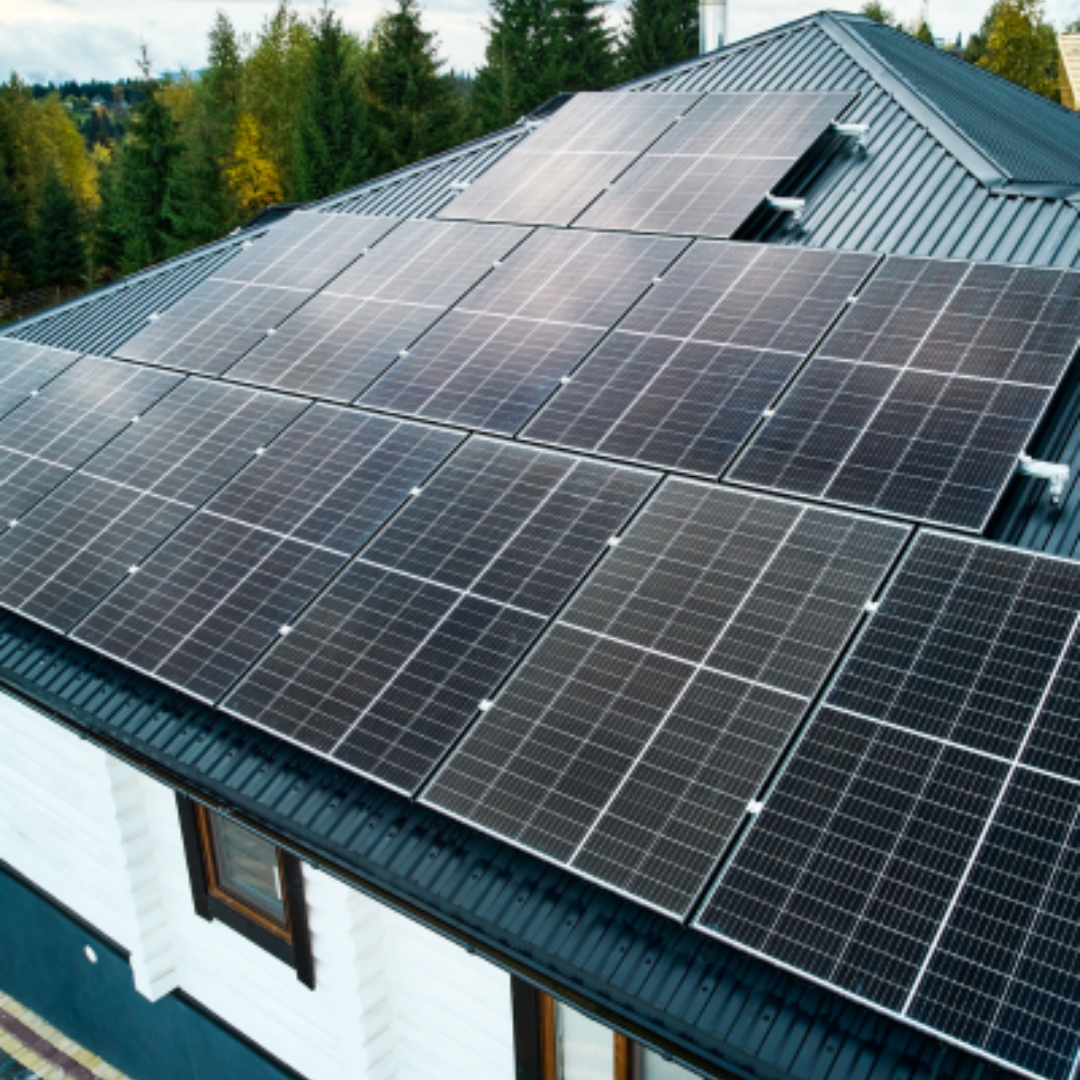
When you look for solar panels in Melbourne, you will get multiple proposals from national sales organisations that outsource their labour to transitory, low-bidding teams.
At The Solar King, we approach things differently. We are a locally based, highly experienced company committed to providing premium solutions that are adapted to Victoria’s unique environment.
- In-House Expertise: We exclusively use our own highly trained, SAA-accredited installer teams, assuring strict quality control and responsibility.
- Transparent Engineering: We utilise 3D satellite modelling to deliver precise, honest shadow analysis and realistic ROI forecasts without using high-pressure sales techniques.
- Rapid Local Support: If your system ever underperforms, our Melbourne-based professionals are only a phone call away, ensuring that your warranty claims are answered in days rather than months.
Choosing The Solar King means having piece of mind, ensuring long-term dependability, and maximising your return on investment.
Get Free Quote
Location
230 Queen St Melbourne VIC 3000
Email Id
Info@thesolarking.com.au
Contact Us
+61 421 531 948
Frequently Asked Questions (FAQ)
In the great majority of Melbourne municipalities, typical flush-mounted rooftop solar arrays do not need a planning permission. Council permission may be required if your home is situated in a Heritage Overlay zone (common in inner-city neighbourhoods such as Carlton, Fitzroy, or South Yarra) or if tilt-frames protrude substantially over the roofline. Throughout the first evaluation, the Solar King manages all compliance and permit inspections.
With daytime FiT prices as low as 0.04c/kWh, the idea is to use as much of your own solar energy as possible. Set timers for your heavy appliances (washing machines, dryers, dishwashers) to operate between 10:00 AM and 3:00 PM. Furthermore, pre-heating or pre-cooling your home with your electric split-system throughout the day ensures that it remains pleasant into the evening without relying on costly grid electricity.
Yes, batteries are becoming quite profitable. Because grid power peaks at more than 35 cents per kWh in the evening, storing your free daytime solar energy in a battery enables you to completely avoid peak grid charges. Furthermore, batteries provide critical blackout protection during big summer storms.
A great solar system should have many levels of protection:
- Panel Performance Warranty: 25-30 years.
- Panel Product/Workmanship Warranty: 15-25 years.
- 10Inverter warranty: to 15 years.
- Installation/Workmanship Warranty: 5–10 years (given directly by your SAA authorised installation).