
If you’re wondering how solar panels work, the answer is in a fascinating way known as the photovoltaic effect. When sunlight hits the silicon cells of a solar panel, it knocks electrons free, resulting in a direct flow of energy. This renewable energy is then sent via an inverter, which converts it into the alternating current that runs your household appliances. Understanding how solar panels create electricity is the first step for Australian households to save power costs, reduce carbon footprints, and have complete control over their household energy independence.
GET A FREE QUOTE
The Core Science: How Do Solar Panels Work?
Every rooftop installation is powered by a process known as the photovoltaic (PV) effect. This was found in the nineteenth century, but modern engineering transformed it into the very efficient panels we see today.
To solve the issue of how solar energy works, we must study at the atomic level. Most solar panels are built of silicon, which is a semi-conductive substance. The manufacturer processes (or “dopes”) this silicon to generate two separate layers:
- N-type silicon: Infused with phosphorus, giving it a negative charge (an excess of electrons).
- P-type silicon: Infused with boron, giving it a positive charge (creating “holes” missing an electron).
The connection of these two layers is known as the P-N junction, and it generates a constant electric field.
When sunlight, which comprises small particles of energy called photons, reaches the solar panel, the photons clash with the silicon atoms. This impact generates enough energy to free electrons from their atoms. The electric field at the P-N junction forces these unbound electrons to travel in a specified direction.
Metal conductive plates on the cell’s sides catch the electrons as they flow, forming an electrical circuit. This flow of electrons is known as direct current (DC) electricity.
Step-by-Step: How Solar Panels Generate Electricity for Your Home
While silicon cells provide direct energy, a comprehensive solar PV system consists of multiple components that work together to power your television, refrigerator, and air conditioner. Here’s how solar panels produce energy from your roof to your electrical outlets.
1. Catching the Australian Sun (The Panels)
Your roof functions as a canvas. In Australia, solar panels are best installed on a north-facing roof to gather the most sunshine throughout the day. However, east and west-facing panels are becoming more popular for catching morning or late-afternoon solar (ideal for reducing the expense of operating an air conditioner after work). As photons hit the array, the panels start producing natural DC power.
2. Converting the Current (The Solar Inverter)
Your household appliances cannot operate on natural DC energy. Here’s where the solar inverter comes in. Consider the inverter to be the generator behind solar electricity. It transforms the volatile DC power generated by the panels into Alternating Current (AC) electricity, which meets the exact requirements of the Australian grid and your domestic equipment. According to Australian Standards, inverters also monitor grid voltage to guarantee that the electricity going into your house is safe and consistent.
3. Powering Your Appliances (The Switchboard)
Once converted to AC power, the energy is sent from the inverter to your home’s main electrical switchboard. From this, the energy is delivered to whichever appliances are presently operational. If your solar system produces 3kW of electricity and your house consumes 2kW, your home is entirely powered by the sun.
4. Exporting to the Grid (Bi-Directional Metering)
What happens to the remaining 1kW in the case above? Unless you have a solar battery, any extra energy is exported back into the main power system for those around you to consume. A specifically placed bi-directional smart metre monitors how much electricity you use from the grid and how much you give back.
Get Free Quote for Solar panel and Battery System in victoria
Massive Solar Battery Savings for Victoria Homeowners
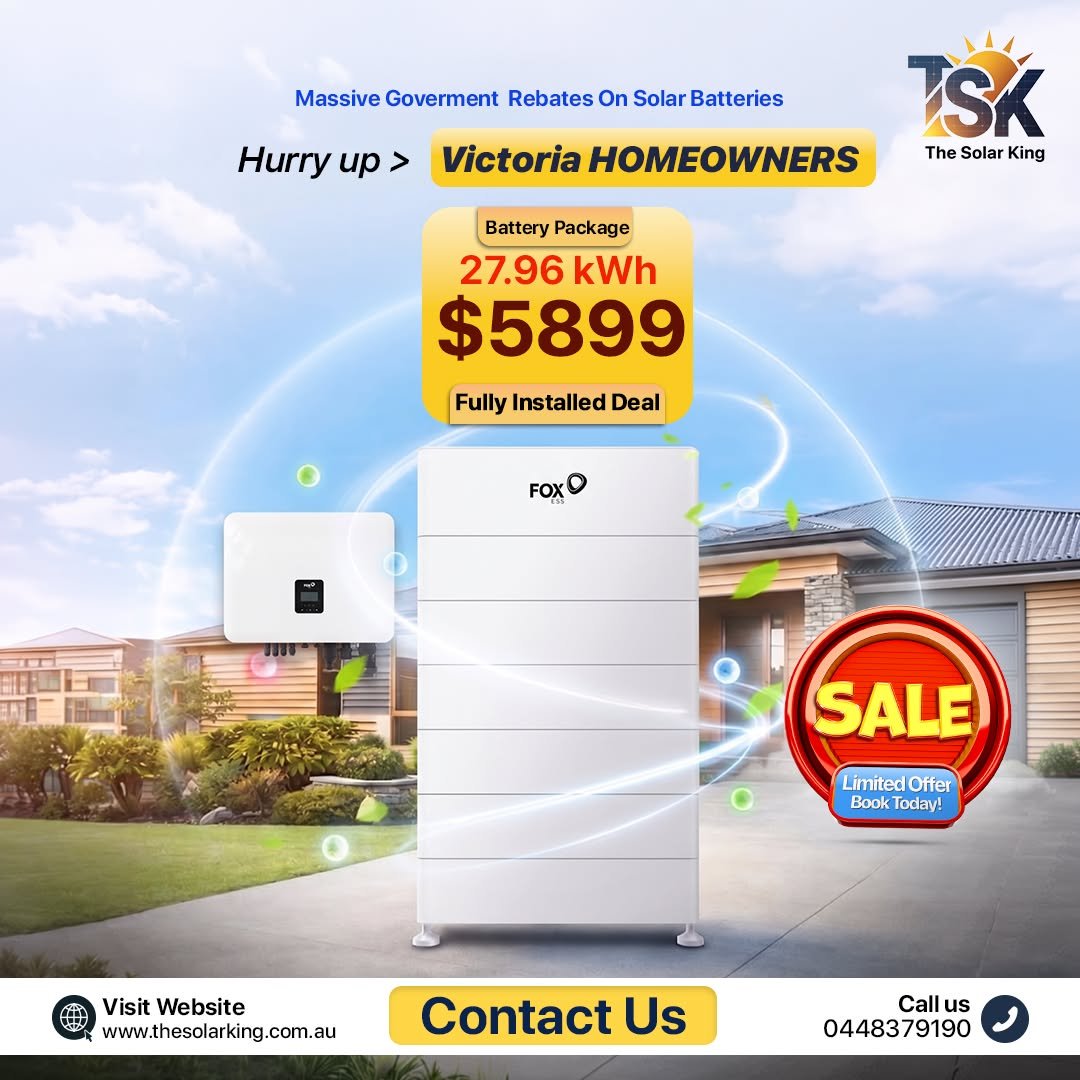
Lock in your energy independence with our massive Solar battery rebate Victoria offer! Homeowners can now secure a fully installed Fox ESS 27.96 kWh battery package for just $5899. If you are looking for reliable home battery storage, this limited-time sale is your chance to maximize your solar investment and beat rising electricity costs.
Offer: Fox ESS 27.96 kWh Battery Package
Price: $5899 (Fully Installed Deal)
Eligibility: Victoria Homeowners
Action: Limited time only – Book today!
Why Buy Power When Your Roof Makes It?
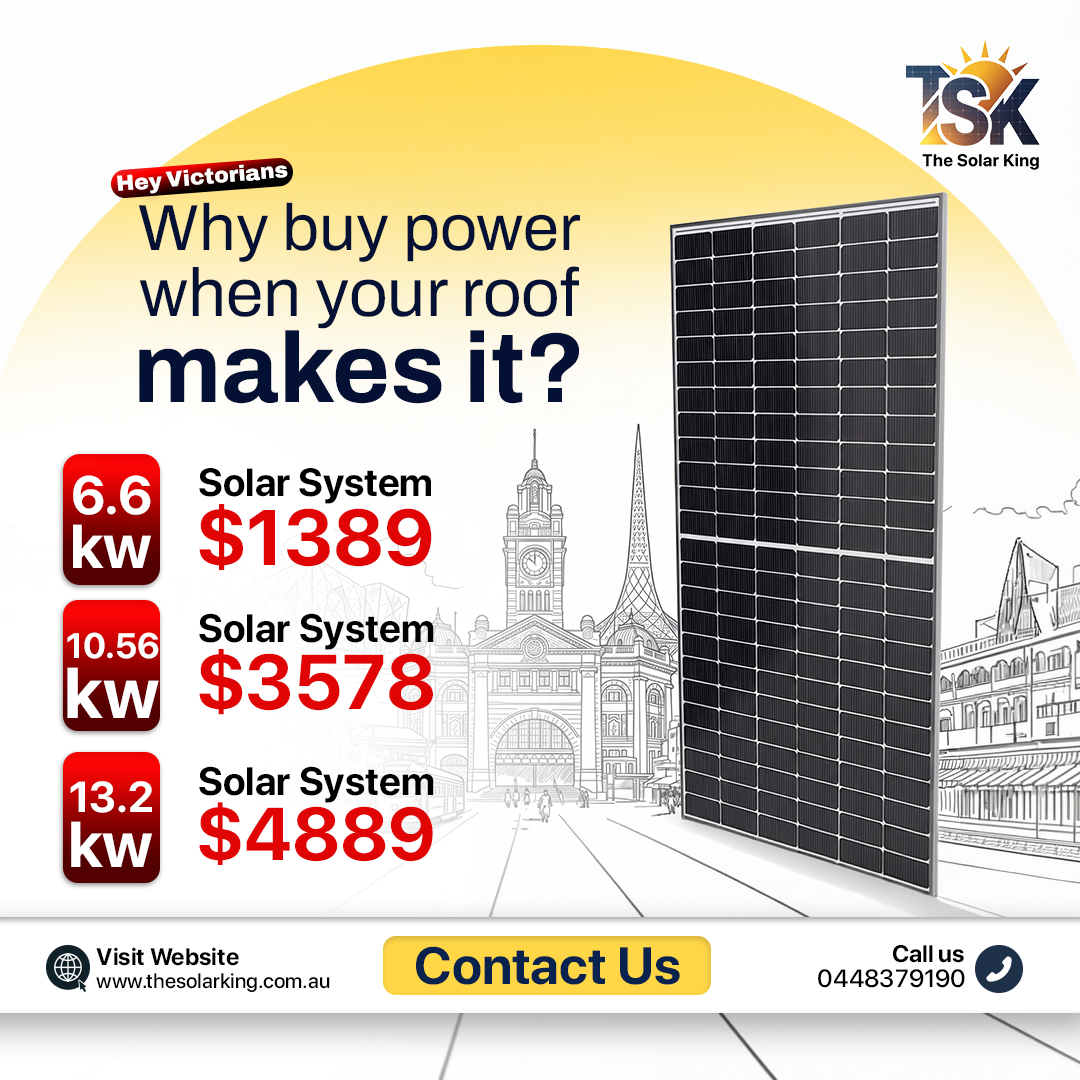
Stop paying high utility bills and start generating your own electricity. We are offering some of the most competitive solar system prices in the state, making solar panels Melbourne installations more accessible than ever. Whether you need a standard system or a high-capacity setup for a larger home, our tier-one solar packages deliver unbeatable value for Victorians.
6.6 kW Solar System: $1389
10.56 kW Solar System: $3578
13.2 kW Solar System: $4889
Complete Solar Bundle in Victoria
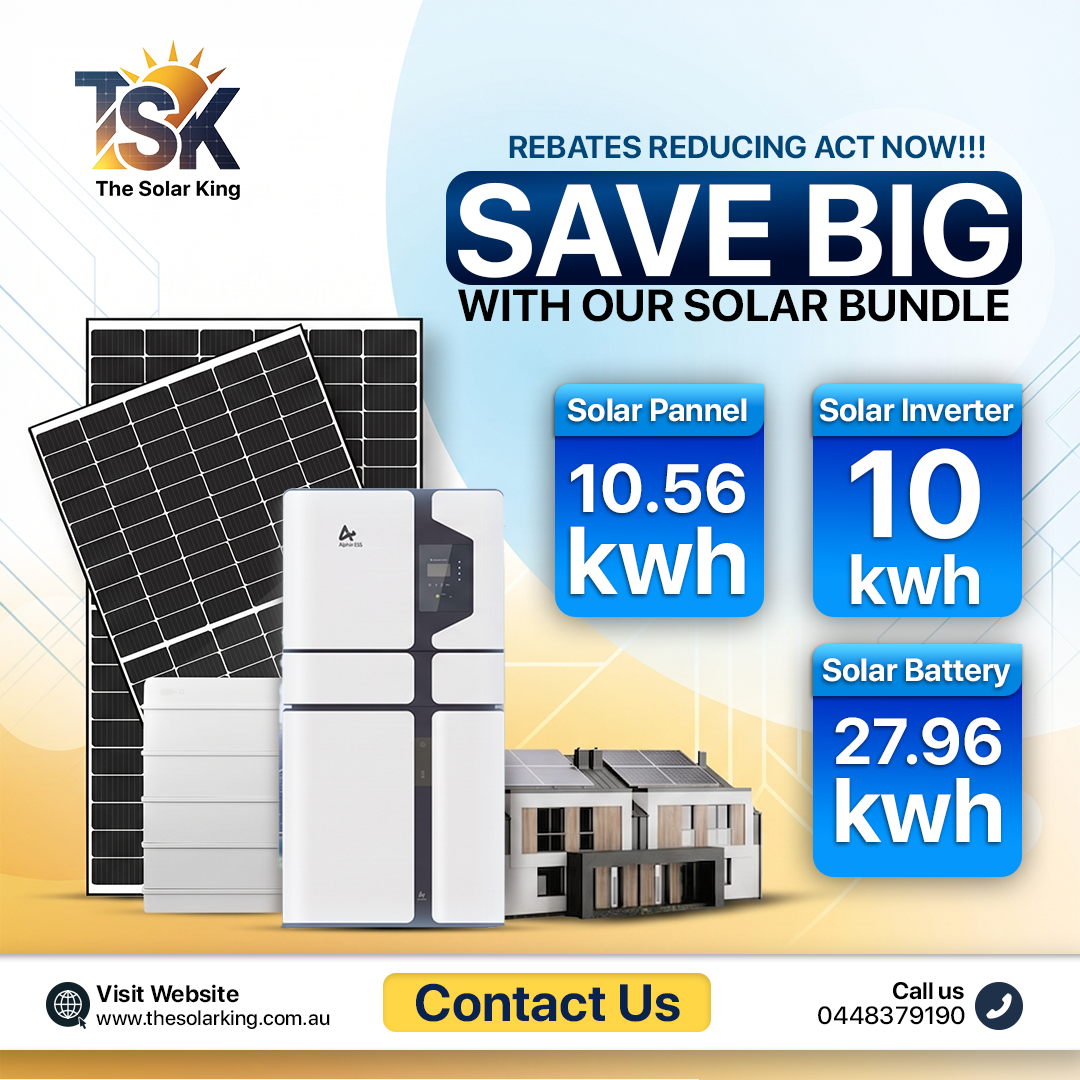
Victorian solar rebates are reducing, making right now the best time to upgrade to complete energy independence! Lock in massive savings before government incentives drop with our complete solar panel and battery package in Victoria. Featuring a high-output 10.56 kW panel array, a robust 10 kW inverter, and a massive 27.96 kWh Alpha ESS battery system, this complete bundle is engineered to run your home day and night while wiping out steep electricity bills.
Solar Panels: 10.56 kW High-Efficiency Solar Panel Array
Solar Inverter: 10 kW High-Performance Inverter
Solar Battery Storage: 27.96 kWh Alpha ESS Battery System
Understanding the Grid: How Solar Power Works with Feed-in Tariffs
Understanding how solar panels work in Australia depends mainly on the financial connection that exists between your roof and your energy company.
When your solar panels create electricity, your home takes use of that free energy first. This is known as solar self-consumption. It is the most beneficial feature of having solar since each kilowatt-hour (kWh) you create and consume saves you from paying the full cost for power from the grid .
When your system generates more electricity than your house requires, the excess energy is sent into the grid. Your energy provider pays you with a Feed-in Tariff (FiT) for this exported power.
- The Catch: Feed-in tariffs are often much less expensive than consumer power prices .
- The Strategy: Because of the pricing difference, the golden rule of Australian solar is to generate as much solar electricity as possible during the daytime. Setting your washing machine, pool pump, and dishwasher to operate during noon will increase your return on investment.
Frequently Asked Questions About Solar in Australia
1. Do solar panels work on cloudy days?
Yes, Solar panels use sunlight to create power, but they do not require direct, bright sunlight to work. Panels act to spread sunlight passing through clouds. However, their power output will be lower than on a clear summer day.
2. Do solar panels work at night?
No, The photovoltaic effect needs photons (light) to activate electrons. When the sun sets, processing stops. Your house will automatically take energy from the grid at night, unless you have a solar battery installed to store power.
3. What happens during a grid blackout?
For safety reasons, conventional grid-connected solar inverters must shut down immediately after a power loss. This keeps your panels from delivering live energy to the street while repair staff operate on the powerlines. If you want backup power during a blackout, you’ll need a hybrid inverter and a battery set up for “blackout protection” or “islanding”.