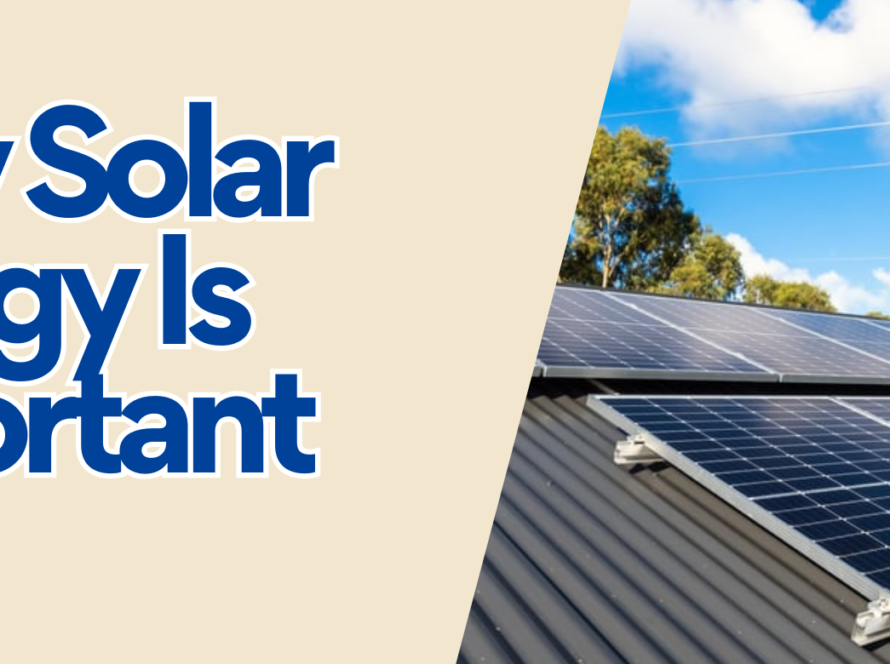

The usual solar panel lifespan in Australia is many decades, during which time the panels increasingly reduce their power producing potential due to a natural process known as degradation. By the multi-decade mark, most Tier-One premium solar panels will be producing at least as much as they did before. While the actual photovoltaic modules are very durable and built to withstand severe Australian conditions, supporting system components such as the solar inverter usually need to be replaced sooner to ensure high energy independence.
Investing in a household solar system is a huge step for Australian homeowners who want to become free from high power costs and achieve full energy independence. However, when you are spending thousands of dollars up front, you want to know how long your investment will last.
Will your roof system withstand our sun-drenched, severe climate? Let’s look at the real-world lifespan of solar panels, what causes them to age, and how to maximise your return on investment down there.
What Does "Lifespan" Actually Mean for Solar?
When it comes to lifespan of solar panels, there is a common myth that they just stop working one day after a few decades of use. Solar panels have no moving parts, therefore mechanical problems are quite unusual.
Instead, the rate of deterioration determines a panel’s useful life. This is the continuous drop in how much power the panel can generate from the same quantity of sunshine. According to confirmed data from the SAA, high-quality home solar panels are designed to lose little capacity over time, allowing them to work well after their formal warranties end.
Understanding Solar Panel Degradation Rates
In Australia, standard photovoltaic systems show a small reduction in power production after their initial exposure to the outdoors. Following the first adjustment phase, the yearly degradation rate decreases significantly, improving the entire solar panel lifespan.
- Premium Tier-One Panels: Typically degrade at a minimal percentage every round around the sun, ensuring the sustainability of solar panels.
- Standard/Budget Panels: Decline at a significantly faster rate, resulting in a substantially lower overall volume capacity.
What does this mean for your household’s budget over time? If you purchase a quality solar system now, the minimal yearly degradation guarantees that after a quarter-century on your roof, your solar panel assets will still provide the great majority of the electricity they did when initially installed.
Premium vs. Budget Solar Panel Lifespans
Not all solar panels come from the same silicon mould. If you purchase inexpensive, unbranded systems, you will most likely experience what experts refer to as “infant mortality” rates, in which panels collapse within the first few seasons due to inadequate wiring or moisture proofing. According to recent data provided by UNSW Sydney, poorly made worldwide solar systems degrade at a faster rate, going down in approximately half the period projected and significantly lowering solar panel lifespan.
Choosing Tier-One monocrystalline panels from reputed manufacturers is essential for protecting your property and ensuring a solar panel lifespan. Here’s a detailed explanation of what you may anticipate from various options:
Feature / Metric | Budget Solar Panels | Premium Tier-One Panels | Ultra-Premium Panels |
Expected Operational Lifespan | Short-to-medium term | Multiple decades | Maximum longevity |
Annual Degradation | Higher loss per season | Minimal loss per season | Negligible loss per season |
Output Capacity in Later Decades | Noticeably diminished | Mostly intact | Robust and close to original |
Product Warranty (Defects) | Short coverage | Medium-to-long coverage | Extended lifetime coverage |
Performance Warranty | Standard duration | Long duration | Ultra-long duration |
Environmental Stressors: The Australian Climate Factor
Australia is a great resource for solar energy, but our climate is extremely harsh on outdoor equipment. A system designed for moderate European weather might old early under our sky, reducing the overall solar panel lifespan. The main environmental elements that cause the decline of a solar system are:
- Intense UV Radiation: Australia’s severe UV levels gradually degrade the protective covering sheets and polymers that keep a panel together, sometimes causing colour change or brown.
- Thermal Cycling: The large temperature differential between cold desert or rural winter nights and hot summer afternoons causes the copper connections in the panels to expand and contract. Over thousands of cycles, high temperatures may cause invisible microcracks in silicon cells.
- Coastal Salt Marine Air: If you reside near our beautiful coasts, salt mist can increase the corrosion of unused aluminium frames and electrical connections.
To avoid this, make sure your installer chooses modules that are approved by Australian Standards to resist extreme wind, salt mist, and cyclic degradation.
How to Maximize the Lifespan of Your Solar Panels
You aren’t required to stay back and observe the environment destroy your investment. You may actively safeguard your roof configuration to guarantee that your solar panel lifespan exceeds the multi-decade high-efficiency criteria
Schedule frequent visual inspections: Periodic checks.
Inspect your roof from the ground level or contact a certified professional to search for evidence of structural tilting, broken glass, or significantly expanding tree branches that might produce heats via constant shade.
Clean off dirt and salt crust: Seasonal maintenance.
While Australian rain does a good job of removing dust, heavy filth, bird droppings, or coastal salt crust may adhere to the glass. Washing them down with an outdoor spray on a chilly morning helps to minimise localised spots that reduce efficiency.
Monitor your data app closely: Routine monitoring.
Most contemporary systems send production data directly to your smartphone. Keep a look out for rapid and unexpected decreases in weekly generation. Detecting a damaged component early reduces long-term voltage loss.
Frequently Asked Questions
Do solar panels stop working completely after a few decades?
No, solar panels continue generating electricity after their warranty ends. They will simply generate less energy than they did when new, functioning at a lesser efficiency but still providing enough power to mitigate your daily domestic grid dependency.
What is the warranty difference between product and performance?
A product warranty protects you against physical defects in manufacturing, premature corrosion, and defective wiring. A performance warranty ensures that the panel’s power production output does not decline faster than a predetermined limit during a multi-decade period.
Can old solar panels be recycled in Australia?
Yes, solar panels are extremely recycled since they mainly consist of reusable elements such as high-quality glass, aluminium frames, copper wiring, and silicon. State programmes throughout Australia, supported by reports from the Net Zero Economy Authority, are actively developing regional recycling programmes to divert ageing systems from landfills and reuse precious metals.