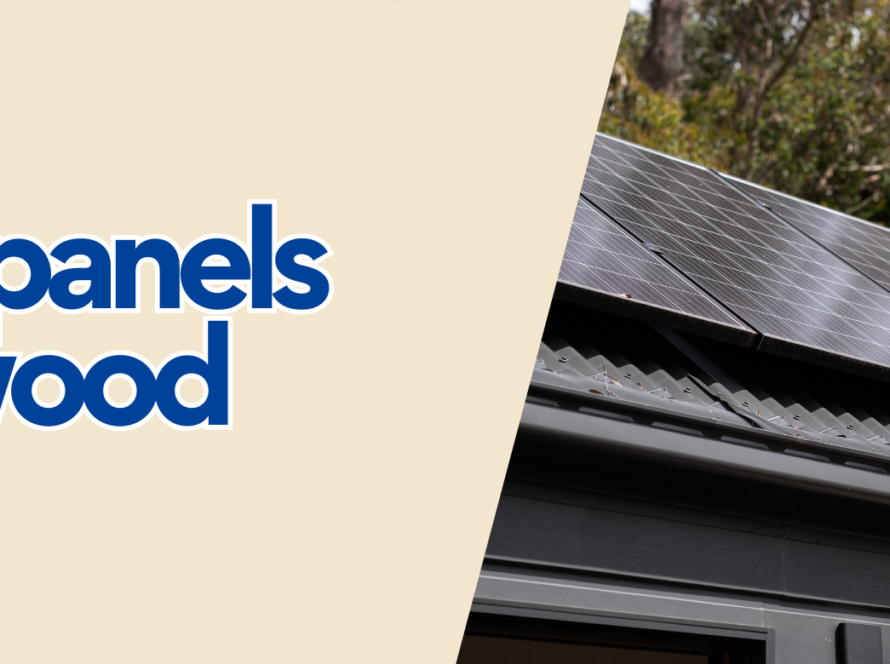

A commercial solar power systems is a big photovoltaic panel designed to handle the high energy needs of modern companies, factories, and large estates. Property owners build these strong systems to significantly decrease dependency on the unreliable electrical grid, save costs, and achieve full energy independence. While the initial capital investment is important, the short payback period means that companies may produce almost free power for a long time. Commercial solar power systems provide an unmatched return on investment since they significantly lower daytime grid demand.
Get Quote
Why Australian Property Buyers are Making the Switch
The Australian energy system is developing quickly. With growing network expenses, consumption rates, and unpredictability in the retail market, obtaining electricity from the standard grid has become a costly effort. For high-income households seeking complete energy independence and company owners seeking to ensure their bottom line, upgrading to a commercial solar power system is no longer just about sustainability; it is a key financial strategy.
Making this shift helps protect cash flow from ongoing energy price disruptions. It converts a significant operating cost into a predictable, controlled value. Here’s why installing large-scale commercial solar power systems is a strategic major changer:
Ultimate Energy Independence: Producing your own electricity significantly decreases your exposure to sudden grid price increases. Whether you manage an industrial complex, an agricultural farm, or a huge rural estate, controlling your major power source gives you complete control over your operations.
Rapid Return on Investment: Due to Australia’s world-leading solar adoption and competitive local market, the payback time for commercial solar power systems is quite fast. Once the original investment is recovered, the equipment produces almost free power for decades, resulting in huge lifetime savings.
Protection against Consumption Charges: For high-energy customers, peak demand charges could be responsible for an important portion of their power bill. These charges penalise sites based on their greatest short-term power consumption. A correctly designed system, particularly when combined with battery storage, reduces peak demands and lowers these severe charges.
Meeting ESG goals: Consumers, investors, and stakeholders increasingly desire to work with environmentally conscious companies. Transitioning to commercial solar power systems significantly reduces your carbon footprint, improves corporate social responsibility profiles, and gives excellent marketing opportunities in an environmentally conscious society.
Commercial Solar Power System Cost Variables
One of the most frequently asked inquiries by consumers is how much a commercial solar power system costs. While exact estimates differ based on site characteristics and grid rules, the overall cost expenditure is determined by a few key factors. Understanding the cost of a business solar power system allows for more efficient budgeting for the upgrade.
Several variables influence the final capital requirements for commercial solar power systems:
- System Size: Larger physical size panels demand a greater overall investment, but they often produce considerably better economies of scale, lowering the unit cost of generation.
- Component Quality: Choosing premium Tier 1 panels and top-of-the-line European inverters boosts initial costs but ensures much longer lifespan, improved heat tolerance, and higher daily production.
- Installation Complexity: Multi-story structures, flat concrete roofs needing designed tilt frames, long cable runs, and required main switchboard improvements will significantly increase labor and material costs.
- Logistics and Location: In comparison to normal projects in large urban centers, regional or distance-based installations may need travel fees, the rental of specialized lifting equipment, and complex transportation.
Estimated Investment by System Scale
The following is a summary of system sizes grouped by relative scale, showing the type of property they best fit and the estimated amount of the investment. Understanding how scale impacts commercial solar power system costs is essential for budgeting.
System Scale | Average Daily Output Category | Relative Investment Level | Best Suited For |
Small Commercial Setup | Moderate daytime generation | Entry-level commercial tier | Large residential estates, small offices, cafes |
Medium Enterprise Array | Substantial daytime generation | Mid-tier capital expenditure | Medium-sized retail, small factories, large farms |
Large Industrial Scale | Massive daily yield | Premium infrastructure investment | Manufacturing plants, cold storage, large schools |
Key Components of a High-Performance Setup
To ensure total energy independence and system life, you must understand the devices installed on your roof. A heavy-duty commercial solar power system is a long-term infrastructure asset; spending expense on affordable components would result in significant financial losses due to frequent upkeep, quick deterioration, and operational outages.
Tier 1 Solar Panels
Always use Tier 1 solar panels in commercial solar power systems. This categorization applies to companies that are involved heavily in in-depth research and development, use highly automated production methods, and have a documented track record of extreme financial stability. Brands like as Jinko, SunPower, and REC have exceptional high-temperature efficiency and low degradation rates. This implies that the modules maintain the large majority of their initial producing capacity over many decades, easily surviving harsh Australian summers and significant weather occurrences like as hail.
Commercial-Grade Inverters
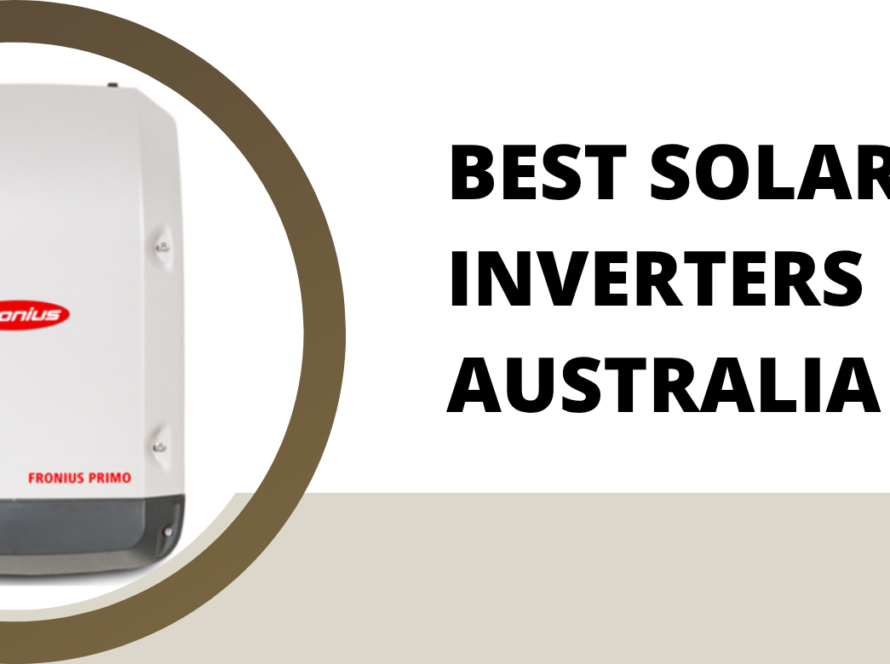
The inverter is the smart powerhouse of your whole system. Its principal function is to transform the direct current energy produced by the rooftop modules into useable alternating current power for your site. Durable string inverters from recognized companies like as Fronius or SMA continue to be the industry standard for heavy applications because to their strong cooling systems and powerful grid control software. For sites with complex shadowing from neighboring buildings or trees, microinverters or panel-level optimisers may be required, however they increase the total initial capital outlay of a commercial solar power system.
Battery Storage Integration
Solar panels alone are rarely sufficient to achieve full, continuous energy independence. Using a high-capacity commercial battery system, you may capture and store extra daylight energy. You may then use the saved electricity to power your business during pricey nighttime peak times or during unexpected grid interruptions. Modern storage systems often use Lithium Iron Phosphate chemistry to provide optimal thermal stability and safety. While batteries greatly increase the initial infrastructure investment, the capacity to shift loads and participate in profitable Virtual Power Plants is fundamentally changing the financial sustainability of on-site energy storage across Australia.
Actionable Advice: How to Choose the Right Installer
Your new business setup will only run as smoothly as the technical team that designed and installed it. The solar market includes a wide range of suppliers, from highly specialized premium engineering companies to high-volume, cost-conscious operators who might not understand complicated commercial solar power systems.
Here’s how to ensure a dependable, safe, and highly efficient installation:
- Check Accreditation: Always confirm that the primary lead and installer are properly recognized by Solar Accreditation Australia . This certification is a strict legal requirement for claiming federal rebates and ensuring compliance with national electrical safety requirements.
- Look for deep engineering expertise: Before giving a formal estimate, a trusted commercial supplier will do an in-depth on-site energy audit, examine your interval meter data, and produce a very detailed financial return prediction. Avoid firms who estimate system sizes without considering your real stress profile.
- Examine Warranties: Look for a complete whole-of-system guarantee that covers all workmanship and wiring, rather than depending just on the manufacturer’s product warranties for individual units.
- Demand Post-Installation Support: Commercial operations need active, continuing maintenance and monitoring. Inquire whether the selected installation offers active, remote fleet monitoring. This enables them to discover and correct small software errors or grid outages immediately, before they have a negative impact on your incoming electricity bill.
Frequently Asked Questions
How long does it take to install commercial solar power systems?
Most typical commercial installations take between a few days and several weeks to physically build on-site, depending on roof layout, structural access, and local weather conditions. However, the strict pre-approval procedure and technical agreements with your local network grid operator may require many months before the installation begins.
Can a commercial solar panel power my operations during a blackout?
Grid-tied solar panels automatically turn off during a blackout to protect electrical technicians working on street wires. To ensure continuous electricity during a grid loss, you must expressly request a hybrid system with enough battery storage and focused emergency backup circuits.
Do I need SAA approval to install a large solar panel?
To legally qualify for federal rebates, your system must be built and installed by a professional certified by Solar Accreditation Australia (SAA). You do not need to apply for SAA accreditation yourself. Furthermore, the physical components you use must have valid electrical safety certifications issued by independent compliance authorities such as SAA Approvals.