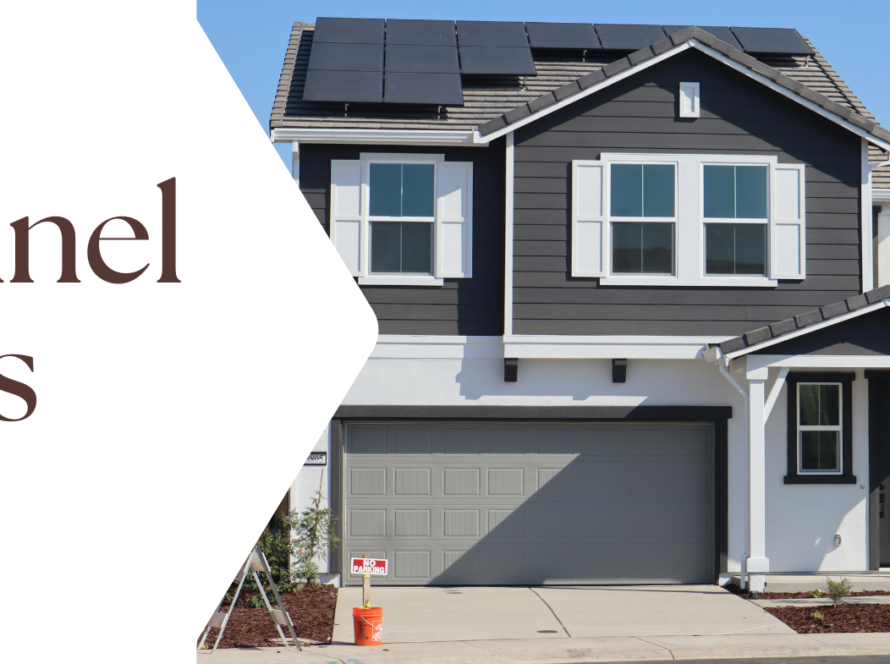

Installing solar panels Mornington Peninsula allows 30c/kWh grid power bills by producing clean energy suitable for Victoria’s coastal environment. In 2026, a basic 6.6kW solar system will cost between $4,500 and $7,200 after the $1,400 Solar Victoria rebate and Federal STC savings are applied. Because the Peninsula gets four peak solar hours each day, homeowners see a full payback in three to five years. Choosing a SAA registered installation ensures that your system can withstand strong salt spray while meeting all regulatory compliance regulations.
Get Quote
Understanding Mornington Peninsula’s Micro-Climate and Solar Performance
The Mornington Peninsula presents one-of-a-kind environment Properties in Mount Eliza, Mornington, Rye, Hastings, and Sorrento have different microclimates because to their location between Port Phillip Bay, Western Port Bay, and Bass Strait. While seaside breezes offer natural cooling, which improves solar panel performance, coastal weather fronts bring high UV exposure, moist conditions, and air salt spray.
Despite occasional cloudy coastal weather, the location gets an average of 3.6 to 4.0 peak solar hours per day all year. In a typical home installation, this solar radiation converts straight into consistent, high-yield power generation.
DAILY SOLAR YIELD ON THE PENINSULA
Summer Output: (28 – 34 kWh / day)
Winter Output: (12 – 16 kWh / day)
Annual Average: (22 – 24 kWh / day)
The 2026 Energy Economics
In 2026, grid power rates 30c/kwh inregular hours and rise higher during peak evening hours. In contrast, energy retailers provide minimum solar feed-in prices (FiTs) ranging from 3.0c to 5.0c/kWh.
Due to this financial difference, the most profitable solution for Peninsula residents is self-consumption—using renewable energy as it is created rather than exporting it back to the grid. Running split-system temperature control, electric hot water heat pumps, pool filtration systems, and EV chargers during peak daytime hours will increase your monthly power savings.
Victorian Solar Rebates and Financial Incentives
To calculate your true return on investment requiered adding, federal and Victorian state rebates. Government support remains strong across 2026, although major eligibility restrictions have been modified.
The Solar Victoria Solar Home Programme
The Victorian Government continues to provide significant upfront cost savings for owner-occupiers and landlords who install mornington solar panels.
- Solar Panel (PV) Rebate: Up to $1,400 applied immediately at the time of sale as an initial discount on your system.
- Interest-Free Loan: An optional $1,400 loan equal to the rebate amount, repayable over 48 months at about $29.17 per month with no interest.
- Updated Household Income Cap: As of July 1, 2026, the combined annual household taxable income cap is $150,000 (down from $210,000).
- Property Value Limit: The municipal property worth must be less than $3,000,000.
To confirm your reimbursement qualifying conditions and obtain official instructions. connect with an expert
Federal Small-Scale Certificates (STCs)
Under the national Small-scale Renewable Energy Scheme (SRES), the Mornington Peninsula is located in STC Zone 3. Every qualified system generates certificates based on its expected clean energy production by 2030. This government rebate is automatically calculated by your selected merchant, decreasing the upfront purchase price of a basic 6.6kW system by $1,500 to $2,050.
To qualify for state and federal rebates, the system must be developed and installed by a SAA certified installer. For further information on federal clean energy deeming periods, please visit energy.gov.au.
Get ll info about solar with expert
Coastal Equipment Selection: Engineering for Marine Conditions
Installing low-cost at the coast often results in premature system failure. Salt spray, gale-force bay winds, and humidity may swiftly reveal faults in subpar technology. When organising a solar panel installation Mornington, it is critical to use marine-grade equipment.
-
IEC 61701 Salt Mist Corrosion Certification (Severity 6)
-
Anodized Aluminum Frames (Minimum 35mm Depth)
-
IP68 Rated Sealed Junction Boxes
-
Corrosion-Resistant Stainless Steel Racking & Fasteners
-
Dual-Glass / Bifacial Modules for Extra Seal Integrity
Salt Mist Resistance (IEC 61701)
Salt spray increases metal oxidation and penetrates poor junction box seals. To get IEC 61701 Severity 6 Salt Mist Resistance certification, high-quality panels must pass rigors laboratory testing. This grade guaranties that the module will resist continuous coastal exposure without internal cell damage or frame pitting.
Wind Load Engineering
Properties close to Port Phillip Bay or higher ridge lines like Red Hill and Arthur’s Seat face high wind gusts. Solar mounting systems must be constructed with heavy-duty, marine-grade aluminium rails and stainless steel roof fixings rated for local structural wind categories.
Microinverters vs. String Inverters at the Coast
Many coastal residences have architectural rooflines, dormer windows, and are shaded by mature tea trees and coastal banksias.
- Traditional string inverters: connect panels in series. If shading or salt dirt affects one panel, the whole output of the string drops to match the weakest module.
- Microinverters (e.g., Enphase): Attached immediately under each module, enabling each panel to function independently. If one panel is blocked by pine needles or shadows, the remaining array continues to operate at full power.
Solar Panel Installation Mornington: Cost Breakdown & Expected Payback
System cost varies based on overall array capacity, roof slope, material (corrugated Colorbond vs. terracotta tile), and component choice. The following is a thorough overview of installation costs for the Peninsula in 2026.
2026 Pricing and Payback Matrix (Post-Rebate Estimates)
| System Size | Ideal Household Profile | Daily Output (Avg) | Net Cost Range (After STCs & VIC Rebate) | Estimated Annual Savings | Average Payback Period |
|---|---|---|---|---|---|
|
6.6 kW |
3–4 Occupants / Standard Family |
22–24 kWh |
$4,500 – $7,200 |
$1,500 – $1,900 |
3.0 – 4.0 Years |
|
10.0 kW |
Large Home / Pool / All-Electric |
33–37 kWh |
$5,200 – $8,900 |
$2,200 – $2,800 |
3.1 – 4.2 Years |
|
13.0 kW |
Luxury Estate / Commercial Site |
43–48 kWh |
$8,100 – $13,500 |
$3,100 – $4,200 |
3.3 – 4.5 Years |
Note: Premium, tier-1 marine-grade equipment installed by a SAA-accredited installation is reflected in the pricing. The $1,400 Solar Victoria rebate and Federal STC reductions are included in the figures. excludes standalone battery storage.
Selecting a Local Partner: Why The Solar King Delivers Unmatched Value
Investing in solar is more than simply purchasing equipment; it is about developing a 25-year relationship with a team that stands behind their work. National contact centres regularly outsource services to temporary teams, leaving homeowners stranded when warranty concerns develop.
As a dedicated local expert, The Solar King handles each property on the Peninsula with specialised engineering and open communication.
The Solar King Advantage
| [X] National Call Centers | [✓] THE SOLAR KING |
|---|---|
|
Subcontracted installation crews |
In-house SAA accredited team |
|
Generic “cookie-cutter” designs |
Custom coastal 3D shade modeling |
|
Slow interstate warranty service |
Rapid local onsite support |
|
Offshore call centers |
Peninsula-based energy experts |
Why Work with the Solar King?
- In-house SAA Accredited Installers: We never outsource your roof’s safety or compliance to uncertified third parties. Every installation is signed off by a competent SAA approved installer to ensure state rebate acceptance.
- Real Coastal Case Studies: From retrofitting historic houses in Mornington Township to erecting high-capacity arrays on coastal land in Main Ridge, our local track record is supported by completed real-world projects and site-specific performance data.
- End-to-End Rebate: Our administrative staff help you for submitting your whole application via the Solar Victoria site and handles all grid connection documentation with United Energy.
- Comprehensive System Monitoring: We install real-time smartphone monitoring on every system, enabling our staff to follow your solar output and resolve any grid voltage spikes or equipment anomalies before they become a problem.
Is Battery Storage Worth It on the Peninsula in 2026?
With feed-in tariffs ranging from 3c to 5c/kWh, storing unused daytime solar electricity in a home solar battery is becoming more popular in Mornington, Blairgowrie, and Dromana.
HOW A SOLAR + BATTERY SYSTEM WORKS
- Daylight Solar Generation
- Powers home loads first.
- Fills the battery storage second (free energy).
- Exports Extra to Grid Third.
- Evening / Peak Rate Window
- discharges stored battery energy.
- Zero Draw from Expensive Grid (30 cents/kWh Saved)
The Federal Cheaper Home Battery Programme
Under the expanded 2026 federal battery plan, families who install 5kWh to 14kWh of useful battery storage would get an upfront discount of around $250 to $336 per kWh of capacity.
- On a standard 10kWh battery, This equates to an upfront savings of about $2,500 to $3,200.
- No Means Test: Unlike state panel rebates, the federal battery incentive has no income limits.
- Blackout Resilience: Extreme summer storms and coastal grid overload regularly cause local power outages. When the local grid fails, a battery with an Emergency Power Supply (EPS) keeps your refrigerator, internet, lights, and medical equipment running.
Step-by-Step Process for Solar Panel Installation Mornington Peninsula
Partnering with a qualified solar panel installer Mornington Peninsula ensures a smooth and compliant journey from estimate to commissioning.
- Comprehensive Site Assessment: A technical professional uses 3D satellite modelling to assess your roof orientation, structural soundness, switchboard capacity, and shading patterns.
- Custom Engineering and Transparent quotation: You will get an organised quotation that includes tier-1 panel specifications, inverter options, accurate rebate deductions, and anticipated payback timelines.
- Rebate Availability and Grid Pre-Approval: We submit connection requests to United Energy and help you for system specifications to the Solar Victoria site.
- Onsite Installation: On installation day, our qualified SAA approved installer inspects your switchboard, installs marine-grade racking, panels, and wiring your inverter.
- Quality Compliance and QR Verification: The installer conducts safety testing, scans your unique Solar Victoria eligibility QR code on-site, and issues a Certificate of Electrical Safety (COES).
- Grid Metre Reconfiguration and Handover: We work with your energy provider to upgrade your smart metre for solar feed-in billing and help you set up mobile app monitoring.
Frequently Asked Questions (FAQ)
In most residential areas, conventional rooftop solar systems do not need a council planning permit. However, if your property is subject to a rigors Heritage Overlay (as is prevalent in historic Sorrento, Portsea, and Mornington), or if panels extend over the ridge line of a non-standard building, permit permissions may be required. During your first inspection, the Solar King confirms the council’s planning overlay criteria.
Coastal arrays that are not cleaned might lose 5% to 12% of their yearly efficiency due to salt mist spray, windblown sand, and sea bird activity. We suggest a visual examination every six months, followed by a mild, professional cleaning once a year. Rinse panels with new low-pressure hose water throughout the cold morning hours. Never use abrasive scrubbing tools or high-pressure washers because they will harm the anti-reflective glass coating.
Older residences on the Peninsula constructed before 1990 may have ceramic fuses or antiquated switchboards that lack residual current devices (RCDs). Victorian wire safety laws need contemporary circuit protection and appropriate busbar capacity before joining a generator system. Your SAA-accredited installer will inspect your board and include any required modifications in your upfront price.
The Solar King installs Tier-1 solar modules with a 25-year linear performance warranty (guaranteed to provide 80% to 87% electricity after 25 years) and a 15 to 25-year product workmanship warranty. Modern string inverters have 10- to 15-year warranties, however microinverters may provide up to 25 years of operating coverage.
Solar certification Australia (SAA) is the regulating authority for installation certification under the Small-scale Renewable Energy Scheme. Using a SAA licensed installer is a legal requirement for claiming federal STC savings, receiving the $1,400 Solar Victoria rebate, and ensuring your system satisfies all necessary Australian Electrical Safety Standards (AS/NZS 3000 and AS/NZS 4777).